Navigating the world of wearable technology can be exciting, but the vast range of options often leads to one critical question: what is the actual cost of a smart watch? With prices stretching from less than a dinner for two to more than a high-end laptop, understanding what you get for your money is key. Whether you’re a fitness enthusiast looking for a workout partner or a busy professional needing notifications on your wrist, there’s a device for you. This guide breaks down the price tiers, the factors driving the cost, and what you should expect to pay for the features you need.
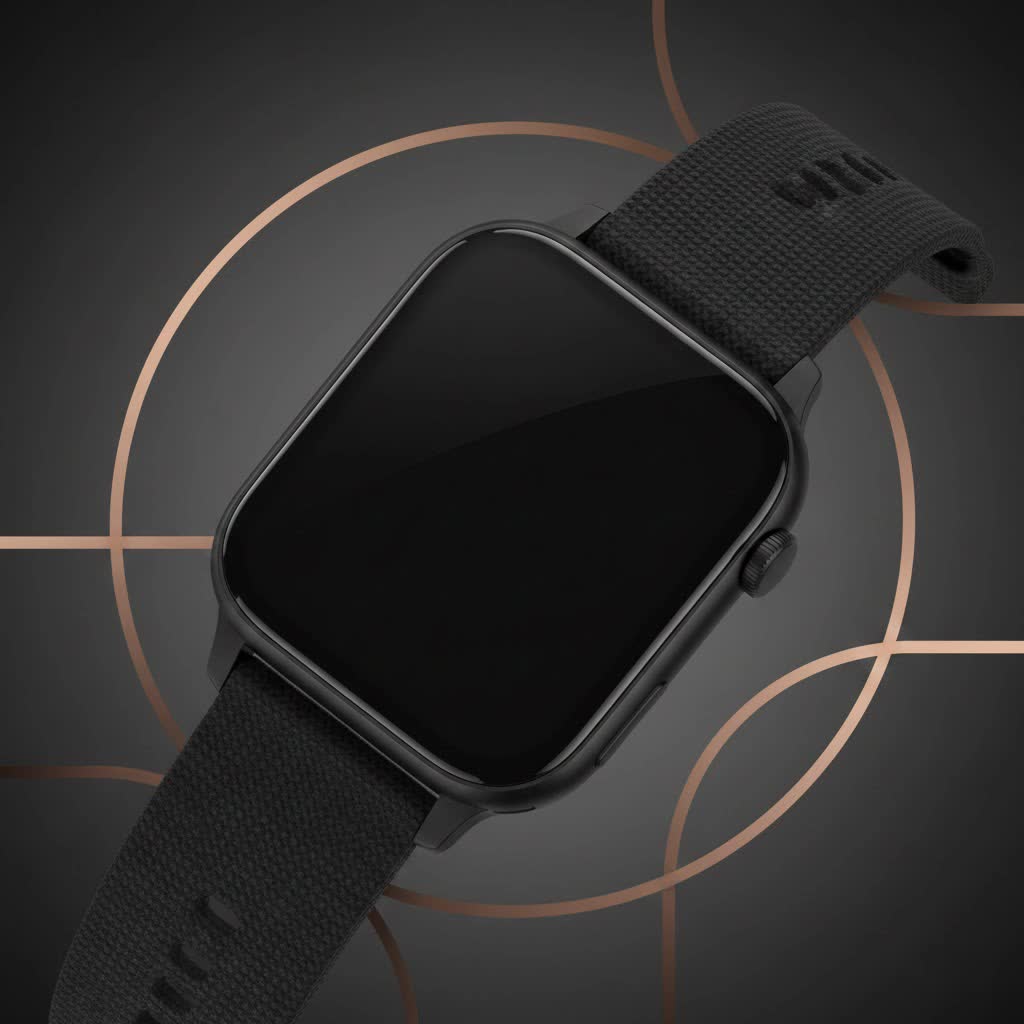
The Smart Watch Cost Spectrum: From Budget to Premium
Smartwatch prices can be neatly categorized into three main tiers. Where you land on this spectrum depends entirely on your needs, your brand preferences, and your budget.
Budget-Friendly Smartwatches (Under $100)
Don’t let the low price fool you. The budget-friendly market is more competitive than ever, offering a surprising number of features for a modest investment. These devices are excellent entry points for anyone curious about smartwatches or for users who only need the basics.
- Core Features: Expect fundamental functionalities like step counting, basic sleep tracking, heart rate monitoring, and smartphone notifications for calls and texts.
- Limitations: You’ll likely compromise on build quality (more plastic, less metal), display resolution, GPS accuracy, and advanced health sensors. App ecosystems are often limited or non-existent.
- Who is it for? First-time users, kids, or anyone who wants a simple fitness tracker with a watch face.
|
Our Picks for the Best Smart Watch in 2026
As an Amazon Associate I earn from qualifying purchases.
|
||
| Num | Product | Action |
|---|---|---|
| 1 | Amazfit Bip 6 Smart Watch 46mm, 14 Day Battery, 1.97\" AMOLED Display, GPS & Free Maps, AI, Bluetooth Call & Text, Health, Fitness & Sleep Tracker, 140+ Workout Modes, 5 ATM Water-Resistance, Black |

|
| 2 | Smart Watch with Alexa Built-in, 1.83\" HD Touchscreen Fitness Tracker with Bluetooth Calling, Fitness Watch with Heart Rate/Sleep Monitor, 120+ Sports Modes, IP68 Waterproof Smartwatch for Android iOS |
|
| 3 | SAMSUNG Galaxy Watch 7 40mm Bluetooth AI Smartwatch w/Energy Score, Wellness Tips, Heart Rate Tracking, Sleep Monitor, Fitness Tracker, 2024, Cream [US Version, 1Yr Manufacturer Warranty] |
|
| 4 | Smart Watch for Men Women, 2026 Smartwatch(Answer/Make Call) , 1.91\" New Fitness Watch with 120+ Sport Modes, Fitness Tracke with Pedometer/Sleep Monitor/Heart Rate/IP68 Waterproof, for Android/iPhone |
|
| 5 | Smart Watch for Women, 1.85\" AMOLED Always-On Display Screen Smartwatch for iPhone & Android, 3ATM Waterproof Fitness Tracker with Bluetooth Call, Heart Rate/Sleep/SpO2 Monitor, 100+ Sport Modes |
|
| 6 | Garmin Forerunner 55, GPS Running Watch with Daily Suggested Workouts, Up to 2 Weeks of Battery Life, Black - 010-02562-00 |
|
| 7 | Smart Watch for Women Men, Smartwatch for iPhone & Android Bluetooth (Answer/Call) Built-in Alexa, 1.91\" HD Fitness Tracker with 105+ Sport Modes, IP68 Waterproof, Sleep/Heart Rate/SpO2/Stress Monitor |
|
| 8 | Smart Watch(Answer/Make Call), 1.91\" Smartwatch for Men Women, NEW Fitness Watch with 110+ Sport Modes, Fitness Activity Tracke with Pedometer/Sleep Monitor/Heart Rate/IP68 Waterproof, for Android iOS |
|
| 9 | Amazfit Bip 6 Smart Watch 46mm, 14 Day Battery, 1.97\" AMOLED Display, GPS & Free Maps, AI, Bluetooth Call & Text, Health, Fitness & Sleep Tracker, 140+ Workout Modes, 5 ATM Water-Resistance, Black |
|
| 10 | WHOOP 5.0/MG Activity Tracker - 12 Month Membership - Health and Fitness Wearable – 24/7 Activity and Sleep Tracker, Personalized Coaching, Menstrual Cycle Insights – 14+ Days Battery Life |
|
Mid-Range Contenders ($100 – $300)
This is the sweet spot for most consumers, where the balance between price and performance is at its best. In this range, you’ll find models from major brands, offering a robust set of features that cater to a wide audience. The cost of a smart watch in this tier provides significant value.
- Core Features: Everything in the budget tier plus built-in GPS for accurate run tracking, larger and brighter OLED or AMOLED displays, more advanced health metrics (like SpO2 or blood oxygen monitoring), mobile payment options (NFC), and access to a decent app store.
- What to Expect: Better build materials like aluminum and higher-quality glass. Battery life is often more reliable, and the user interface is typically smoother and more intuitive.
- Who is it for? The average user, fitness enthusiasts, and anyone who wants a reliable, feature-rich daily companion without breaking the bank.
Premium and Luxury Models ($300+)
Welcome to the top tier. This category is home to the flagship models from tech giants like Apple and Samsung, as well as luxury and specialized sports brands like Garmin and Tag Heuer. These watches offer the latest technology, the most premium materials, and the most comprehensive feature sets.
- Core Features: All of the above, plus advanced capabilities like ECG (electrocardiogram), skin temperature sensors, fall detection, and optional cellular (LTE) connectivity that lets you make calls and stream music without your phone.
- What to Expect: Expect premium materials such as stainless steel, titanium, and sapphire crystal glass. The designs are more refined, performance is top-notch, and the integration with their respective smartphone ecosystems is seamless.
- Who is it for? Tech enthusiasts who want the latest and greatest, serious athletes who need specialized tracking, and users deeply invested in a particular tech ecosystem (e.g., Apple or Samsung).
What Factors Determine the Cost of a Smart Watch?
Understanding why prices vary so much helps you make an informed decision. Several key components and features directly influence the final price tag.
Brand and Ecosystem
Brand recognition plays a huge role. Apple and Samsung command higher prices due to their established ecosystems, extensive app libraries, and seamless integration with their smartphones. Lesser-known brands often offer similar hardware for less, but may lack the software polish and support.
Build Materials and Design
A plastic case with a basic silicone band is much cheaper to produce than a titanium case with a sapphire crystal display. Premium materials not only look and feel better but also offer superior durability and scratch resistance, which adds to the cost.
Display Technology
The display is one of the most expensive components. Budget watches often use basic LCD screens, which are less vibrant and consume more power. Mid-range and premium models typically feature brilliant OLED or AMOLED displays that offer deeper blacks, richer colors, and better battery efficiency.
Health and Fitness Sensors
The number and sophistication of the sensors are major cost drivers. A simple heart rate monitor is standard, but adding sensors for blood oxygen (SpO2), electrocardiograms (ECG), skin temperature, and advanced GPS chips for multi-band tracking significantly increases the price.
As wearable technology analyst Dr. Alistair Finch notes, “The real innovation—and cost—in modern smartwatches is in the biometric sensors. An ECG or a blood glucose monitor isn’t just a feature; it’s a complex piece of medical-grade technology miniaturized to fit on your wrist.”
Cellular Connectivity (LTE)
The ability to add cellular connectivity, allowing your watch to function independently of your phone, typically adds $50 to $100 to the upfront cost of a smart watch. It also requires an additional monthly fee from your mobile carrier, which is an ongoing expense to consider.
Is a More Expensive Smart Watch Worth the Cost?
This is the ultimate question, and the answer is personal. While premium watches offer impressive technology, many people will find that a mid-range device more than meets their daily needs. The key is to identify which features you will actually use. If you don’t need to take an ECG or make calls from your wrist, you can save a significant amount of money.
| Feature | Budget (Under $100) | Mid-Range ($100-$300) | Premium ($300+) |
|---|---|---|---|
| GPS | Typically phone-tethered | Built-in | Built-in, often multi-band |
| Display | LCD / Basic OLED | AMOLED / Retina | High-res AMOLED / Sapphire |
| Health Sensors | Heart Rate, Steps | SpO2, Sleep Stages | ECG, Temp, Fall Detection |
| Mobile Payments | Rare | Common (NFC) | Standard |
| Cellular (LTE) | No | Rare | Optional |
| App Store | No / Limited | Yes | Yes (Extensive) |
| Build Materials | Plastic, Silicone | Aluminum, Glass | Steel, Titanium, Ceramic |
Frequently Asked Questions about Smart Watch Costs
What is a reasonable price for a smartwatch?
A reasonable price for most people is between $150 and $300. This range offers the best combination of essential features, good build quality, and reliable performance without paying for advanced sensors you may not need.
Why are some smartwatches so expensive?
Premium smartwatches are expensive due to a combination of factors: advanced sensor technology (like ECG), high-end materials (titanium, sapphire), strong brand reputation, extensive research and development costs, and the inclusion of cellular connectivity.
Can I get a good smartwatch for under $150?
Absolutely. In the sub-$150 category, you can find excellent devices from brands like Amazfit or Fitbit that offer great battery life, solid fitness tracking, and bright displays. They provide fantastic value for those focused on core health and notification features.
Does the cost of a smart watch include a cellular plan?
No, the upfront cost of an LTE-enabled smartwatch does not include the cellular service. You will need to add a wearable plan to your existing mobile account, which typically costs around $10 per month.
Final Thoughts on Smartwatch Pricing
The cost of a smart watch is no longer a single, prohibitive number. The market has matured to offer a wide spectrum of devices tailored to nearly any budget and need. The best watch for you isn’t necessarily the most expensive one; it’s the one that fits your lifestyle and provides the features you’ll use every day. By understanding the key factors that drive the price, you can confidently choose a device that offers the perfect value for your wrist and your wallet.
