In today’s hyper-connected world, the demand for seamless integration between our devices has never been higher. The Bluetooth Smart Watch has emerged as a central player in this ecosystem, acting as a convenient extension of your smartphone right on your wrist. But with so many options and technical terms floating around, understanding what these devices do and which one is right for you can be a daunting task. This comprehensive guide will demystify the technology, explore its essential features, and help you make an informed decision, ensuring you get the most out of your wearable tech.
What Exactly is a Bluetooth Smart Watch?
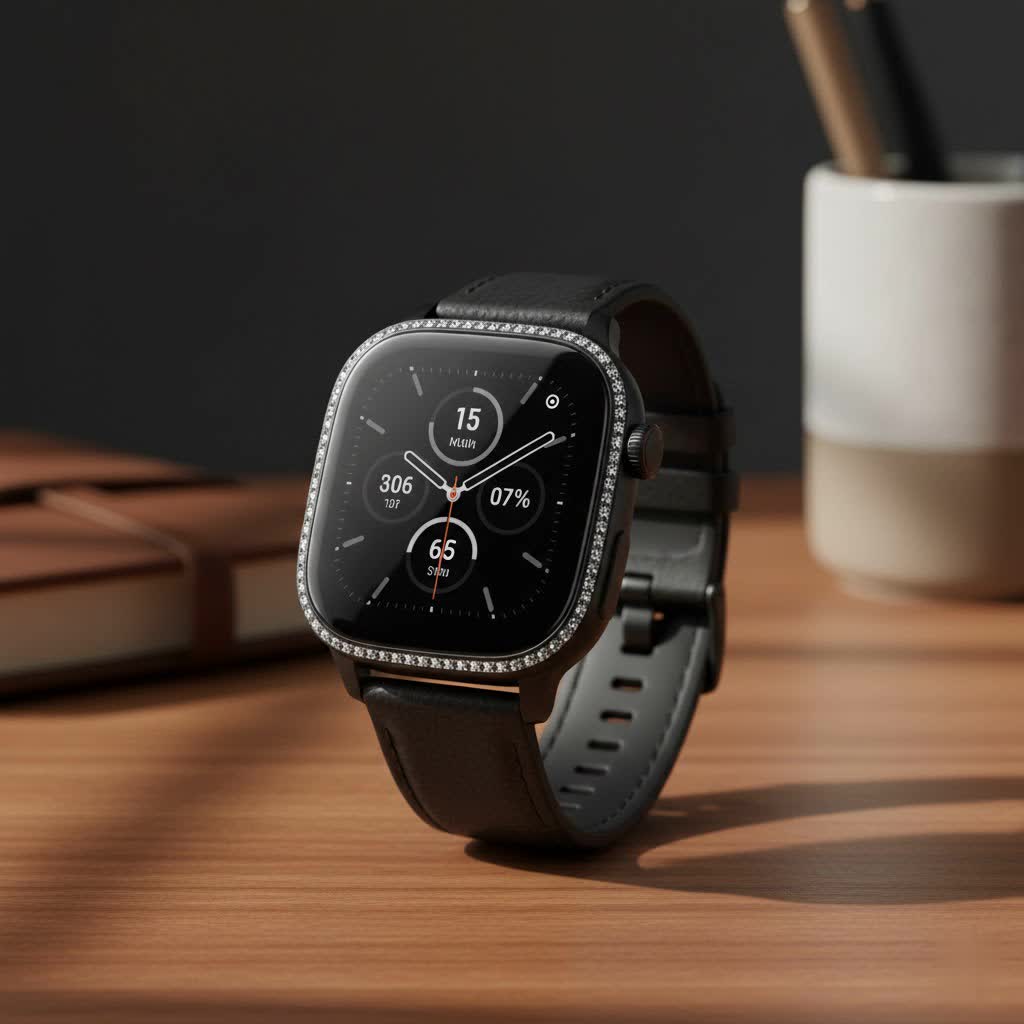
A bluetooth smart watch is a wearable computer in the form of a wristwatch that connects directly to your smartphone using Bluetooth technology. Unlike its cellular counterpart, it relies on this connection to your phone to perform most of its smart functions, such as receiving notifications, making calls, and accessing the internet. Think of it as a secondary screen and remote control for your phone. When your phone is within Bluetooth range (typically around 30 feet or 10 meters), your watch is fully functional. This dependency is key to its design, offering a streamlined, battery-efficient experience for users who always have their phone nearby.
How Does Bluetooth Connectivity Work on a Smart Watch?
The magic behind the bluetooth smart watch is its constant, low-energy communication with your smartphone. Here’s a simple breakdown of the process:
- Pairing: The initial setup involves a “pairing” process. You enable Bluetooth on both your watch and your phone, and through a dedicated app (like Wear OS for Android or the Watch app for iOS), you establish a secure, one-time connection.
- Data Syncing: Once paired, the two devices are in constant communication. The watch uses Bluetooth Low Energy (BLE) to sync data efficiently without draining the battery. This includes notifications, calendar events, health metrics, and more.
- Executing Commands: When you interact with your watch—for example, tapping “reply” on a message—it sends a command to your phone via Bluetooth. Your phone then executes the action, like opening the messaging app and sending your reply. The watch is the interface; the phone is the engine.
This symbiotic relationship is what makes the technology so efficient. As wearable tech analyst, Dr. Alistair Finch, notes, “The beauty of the Bluetooth model is its simplicity and energy conservation. By offloading the heavy processing and network connectivity to the smartphone, the watch can focus on what it does best: providing immediate, glanceable information and tracking biometrics with impressive battery life.”
Key Features to Look For
When shopping for a bluetooth smart watch, certain features are essential for a great user experience. Here are the core functions you should consider:
- Notifications: Get alerts for calls, texts, emails, and app notifications directly on your wrist.
- Fitness Tracking: Most models include a heart rate monitor, step counter, and GPS to track workouts, sleep patterns, and daily activity.
- Music Controls: Manage your music playback without ever touching your phone. Play, pause, and skip tracks with a simple tap.
- Mobile Payments: NFC (Near Field Communication) technology allows you to make contactless payments with services like Apple Pay or Google Pay.
- Customizable Watch Faces: Personalize your device to match your style or display the information that matters most to you.
- Voice Assistant: Access Siri, Google Assistant, or Bixby for hands-free commands, from setting reminders to answering quick questions.
Understanding the Limitations
|
Our Picks for the Best Smart Watch in 2026
As an Amazon Associate I earn from qualifying purchases.
|
||
| Num | Product | Action |
|---|---|---|
| 1 | Smart Watch for Men Women, 2026 Smartwatch(Answer/Make Call) , 1.91\" New Fitness Watch with 120+ Sport Modes, Fitness Tracke with Pedometer/Sleep Monitor/Heart Rate/IP68 Waterproof, for Android/iPhone |

|
| 2 | Smart Watch for Women Men, Smartwatch for iPhone & Android Bluetooth (Answer/Call) Built-in Alexa, 1.91\" HD Fitness Tracker with 105+ Sport Modes, IP68 Waterproof, Sleep/Heart Rate/SpO2/Stress Monitor |
|
| 3 | Garmin Forerunner 55, GPS Running Watch with Daily Suggested Workouts, Up to 2 Weeks of Battery Life, Black - 010-02562-00 |
|
| 4 | WHOOP 5.0/MG Activity Tracker - 12 Month Membership - Health and Fitness Wearable – 24/7 Activity and Sleep Tracker, Personalized Coaching, Menstrual Cycle Insights – 14+ Days Battery Life |
|
| 5 | Smart Watch for Women, 1.85\" AMOLED Always-On Display Screen Smartwatch for iPhone & Android, 3ATM Waterproof Fitness Tracker with Bluetooth Call, Heart Rate/Sleep/SpO2 Monitor, 100+ Sport Modes |
|
| 6 | Smart Watch(Answer/Make Call), 1.91\" Smartwatch for Men Women, NEW Fitness Watch with 110+ Sport Modes, Fitness Activity Tracke with Pedometer/Sleep Monitor/Heart Rate/IP68 Waterproof, for Android iOS |
|
| 7 | SAMSUNG Galaxy Watch 7 40mm Bluetooth AI Smartwatch w/Energy Score, Wellness Tips, Heart Rate Tracking, Sleep Monitor, Fitness Tracker, 2024, Cream [US Version, 1Yr Manufacturer Warranty] |
|
| 8 | Smart Watch with Alexa Built-in, 1.83\" HD Touchscreen Fitness Tracker with Bluetooth Calling, Fitness Watch with Heart Rate/Sleep Monitor, 120+ Sports Modes, IP68 Waterproof Smartwatch for Android iOS |
|
| 9 | Amazfit Bip 6 Smart Watch 46mm, 14 Day Battery, 1.97\" AMOLED Display, GPS & Free Maps, AI, Bluetooth Call & Text, Health, Fitness & Sleep Tracker, 140+ Workout Modes, 5 ATM Water-Resistance, Black |
|
| 10 | Amazfit Bip 6 Smart Watch 46mm, 14 Day Battery, 1.97\" AMOLED Display, GPS & Free Maps, AI, Bluetooth Call & Text, Health, Fitness & Sleep Tracker, 140+ Workout Modes, 5 ATM Water-Resistance, Black |
|
The primary limitation is its dependence on your phone. If you leave your phone at home and go for a run, a standard bluetooth smart watch won’t be able to receive notifications or make emergency calls. Its GPS might still track your route, but it won’t have an active data connection. This is the main trade-off for better battery life and a lower price point compared to cellular models.
Bluetooth vs. Cellular Smart Watch: Which Is Right for You?
Choosing between a Bluetooth and a cellular model is one of the biggest decisions you’ll make. A cellular (LTE) smart watch has its own eSIM, allowing it to connect to a mobile network independently of your phone. Here’s a comparison to help you decide:
| Feature | Bluetooth Smart Watch | Cellular (LTE) Smart Watch |
|---|---|---|
| Connectivity | Requires a nearby smartphone | Connects independently to cellular networks |
| Phone-Free Use | Limited (offline music, GPS tracking) | Fully functional (calls, texts, streaming) |
| Cost | More affordable upfront | Higher initial cost + monthly carrier fee |
| Battery Life | Generally longer | Shorter due to cellular radio |
| Best For | Users who always have their phone | Athletes, emergency contacts, tech enthusiasts |
If you are someone who is rarely without your smartphone, the bluetooth smart watch is an excellent and cost-effective choice. It provides all the core smart features you need without the added expense of a separate data plan. However, if you crave the freedom of leaving your phone behind, a cellular model is worth the investment.
How to Maximize Your Smart Watch Experience
Once you have your new device, a few best practices can help you get the most out of it.
Customize Your Notifications
You don’t need every single app notification buzzing on your wrist. Go into your watch’s companion app on your phone and curate which apps can send you alerts. Prioritize important ones like messages, calls, and calendar reminders, and disable the rest. This will reduce distractions and help conserve battery.
Set Up Your Health Dashboard
Take the time to input your personal health data and set activity goals. A bluetooth smart watch is a powerful fitness tool, but it’s most effective when it’s tailored to your specific needs. Use it to track your progress, compete with friends, and build healthier habits.
Explore Third-Party Apps
The default apps are great, but the real power comes from the app store. Whether you need a navigation app for hiking, a workout app for the gym, or a productivity app to keep you on task, there are thousands of options available to extend your watch’s capabilities.
Frequently Asked Questions (FAQ)
Can a bluetooth smart watch make calls without a phone?
No, a standard bluetooth smart watch cannot make or receive calls on its own. It uses the Bluetooth connection to act as a speaker and microphone for your nearby smartphone, which is handling the actual call over its cellular network.
Will a bluetooth smart watch work if my phone is dead?
Its smart features will be extremely limited. You will still be able to see the time and use basic offline functions like a timer or stopwatch. Any feature that requires an internet connection or communication with your phone, such as notifications or messages, will not work.
How far can my watch be from my phone?
The standard range for a modern Bluetooth connection is about 30 feet (10 meters). However, this can be affected by obstacles like walls or doors. If you move out of range, the watch will disconnect, and you’ll typically receive an alert on the watch itself.
Do I need a specific brand of phone for my watch?
Yes, compatibility is crucial. An Apple Watch, for example, will only work with an iPhone. Smart watches running on Google’s Wear OS are generally compatible with both Android phones and iPhones, though some features may be limited when paired with an iPhone. Always check compatibility before purchasing.
Does a bluetooth smart watch use a lot of my phone’s data?
No, it does not use a significant amount of data. The information synced between the watch and the phone—like text notifications and health stats—is very small. The bulk of any data usage happens on the phone itself when it loads content to send to the watch.
Your Perfect Tech Companion Awaits
A bluetooth smart watch is more than just a gadget; it’s a powerful tool for convenience, fitness, and productivity. By acting as a seamless extension of your smartphone, it delivers the information you need right when you need it, allowing you to stay present and engaged in the world around you. By understanding how it works and what features matter most, you can confidently choose a device that fits your lifestyle and helps you stay connected in a smarter way. Whether you’re tracking a new personal best on your run or discreetly checking a notification in a meeting, this versatile piece of tech is designed to make your daily life easier.
