The best smartwatches for seniors offer critical safety features like automatic fall detection, emergency SOS, and GPS tracking, alongside health monitoring and user-friendly designs. These devices empower older adults to maintain independence while providing peace of mind for families and caregivers. This guide details essential features and considerations for choosing the right smartwatch for seniors.
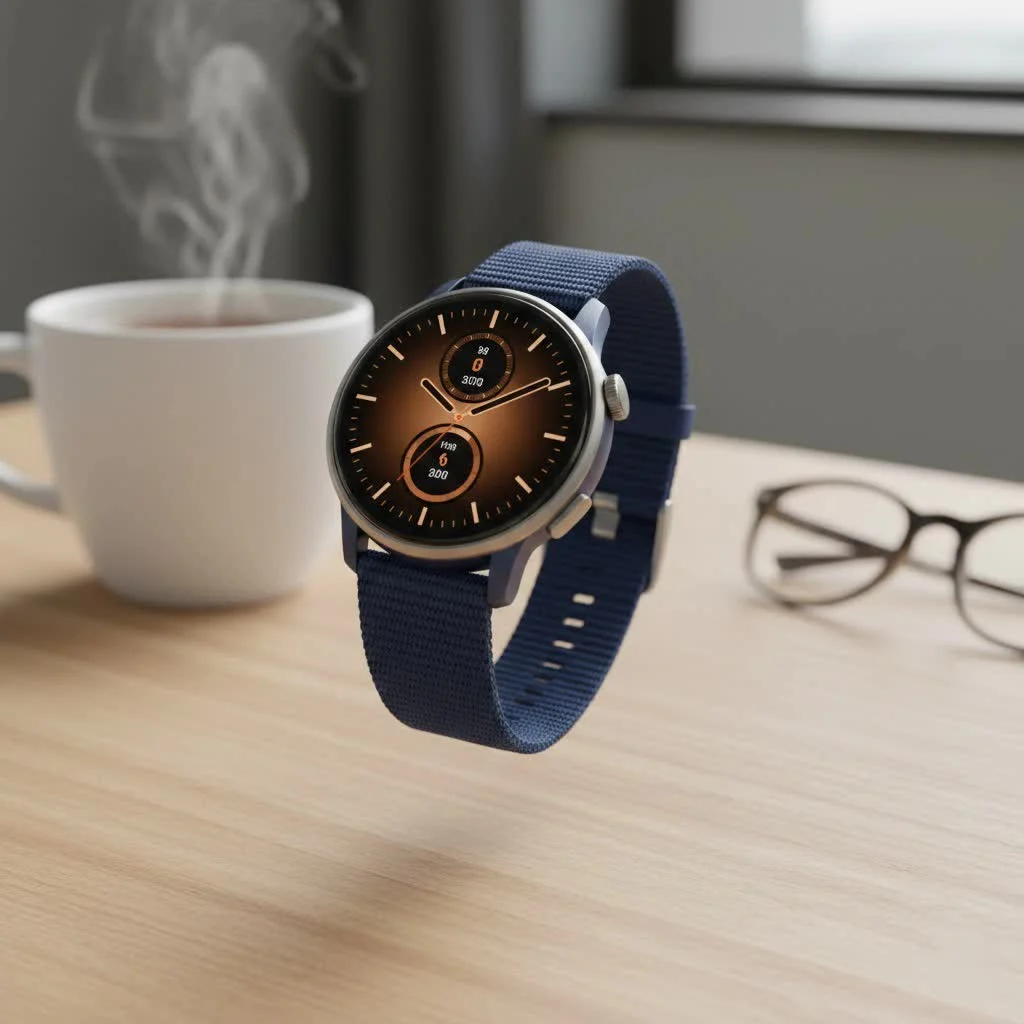
Why is a Smart Watch a major upgrade for Seniors?
Adopting a smartwatch supports an independent and active lifestyle for seniors. These devices act as a discreet safety net, equipped with features that monitor health metrics and automatically call for help in an emergency. They bridge the gap between living independently and having immediate access to assistance when needed.
Smartwatches encourage a healthier lifestyle by tracking daily activity, monitoring sleep patterns, and reminding users to take medication. It’s like having a personal health assistant right on your wrist, available 24/7.
Must-Have Features in a Smart Watch for Seniors
When selecting a smartwatch for an older adult, the focus shifts from trendy apps to practical, life-enhancing features. Not all smartwatches are created equal, and some are far better suited for seniors’ needs.
Automatic Fall Detection
Arguably the most critical safety feature, automatic fall detection uses advanced sensors to recognize a sudden, hard fall. If the watch detects a fall and the wearer doesn’t respond to an on-screen prompt, it will automatically contact emergency services and pre-selected family members. This feature is invaluable, especially for seniors who live alone, as it can summon help even if the person is unconscious or unable to press a button.
Emergency SOS and Medical Alert
An easily accessible SOS button is another essential feature. With a simple press and hold, the wearer can instantly connect to emergency services or a 24/7 monitoring center. This provides a quick and direct way to call for help during any emergency, from a medical issue to a security concern. It eliminates the need to find and dial a phone, which can be difficult in a stressful situation.
GPS and Location Tracking
Built-in GPS is crucial for peace of mind. It allows family members or caregivers to locate the wearer in real-time through a companion app on their smartphone. This feature is particularly helpful for seniors who are active and enjoy walking or driving, and it provides an extra layer of security for individuals with memory conditions like dementia or Alzheimer’s.
Comprehensive Health Monitoring
Modern smartwatches offer a suite of health tracking tools that provide valuable insights into overall well-being. Key monitoring features include:
- Heart Rate Monitoring: Continuously tracks heart rate and can send alerts for unusually high or low rates, or for an irregular rhythm which could indicate a condition like atrial fibrillation (AFib).
- Blood Oxygen (SpO2) Monitoring: Measures the oxygen level in the blood, which is a key indicator of respiratory health.
- Sleep Tracking: Monitors sleep stages and quality, helping to identify potential health issues that may be linked to poor sleep.
- ECG Capability: Some advanced models allow the wearer to take an electrocardiogram (ECG) on demand, which can be shared with a doctor.
User-Friendly Design and Long Battery Life
|
Our Picks for the Best Smart Watch in 2026
As an Amazon Associate I earn from qualifying purchases.
|
||
| Num | Product | Action |
|---|---|---|
| 1 | Smart Watch for Men Women, 2026 Smartwatch(Answer/Make Call) , 1.91\" New Fitness Watch with 120+ Sport Modes, Fitness Tracke with Pedometer/Sleep Monitor/Heart Rate/IP68 Waterproof, for Android/iPhone |

|
| 2 | Smart Watch with Alexa Built-in, 1.83\" HD Touchscreen Fitness Tracker with Bluetooth Calling, Fitness Watch with Heart Rate/Sleep Monitor, 120+ Sports Modes, IP68 Waterproof Smartwatch for Android iOS |
|
| 3 | Smart Watch(Answer/Make Call), 1.91\" Smartwatch for Men Women, NEW Fitness Watch with 110+ Sport Modes, Fitness Activity Tracke with Pedometer/Sleep Monitor/Heart Rate/IP68 Waterproof, for Android iOS |
|
| 4 | Smart Watch for Women Men, Smartwatch for iPhone & Android Bluetooth (Answer/Call) Built-in Alexa, 1.91\" HD Fitness Tracker with 105+ Sport Modes, IP68 Waterproof, Sleep/Heart Rate/SpO2/Stress Monitor |
|
| 5 | SAMSUNG Galaxy Watch 7 40mm Bluetooth AI Smartwatch w/Energy Score, Wellness Tips, Heart Rate Tracking, Sleep Monitor, Fitness Tracker, 2024, Cream [US Version, 1Yr Manufacturer Warranty] |
|
| 6 | Garmin Forerunner 55, GPS Running Watch with Daily Suggested Workouts, Up to 2 Weeks of Battery Life, Black - 010-02562-00 |
|
| 7 | Amazfit Bip 6 Smart Watch 46mm, 14 Day Battery, 1.97\" AMOLED Display, GPS & Free Maps, AI, Bluetooth Call & Text, Health, Fitness & Sleep Tracker, 140+ Workout Modes, 5 ATM Water-Resistance, Black |
|
| 8 | WHOOP 5.0/MG Activity Tracker - 12 Month Membership - Health and Fitness Wearable – 24/7 Activity and Sleep Tracker, Personalized Coaching, Menstrual Cycle Insights – 14+ Days Battery Life |
|
| 9 | Amazfit Bip 6 Smart Watch 46mm, 14 Day Battery, 1.97\" AMOLED Display, GPS & Free Maps, AI, Bluetooth Call & Text, Health, Fitness & Sleep Tracker, 140+ Workout Modes, 5 ATM Water-Resistance, Black |
|
| 10 | Smart Watch for Women, 1.85\" AMOLED Always-On Display Screen Smartwatch for iPhone & Android, 3ATM Waterproof Fitness Tracker with Bluetooth Call, Heart Rate/Sleep/SpO2 Monitor, 100+ Sport Modes |
|
Technology is only useful if it’s easy to use. The best smartwatches for seniors will have:
- A large, bright, and clear display: Text and icons should be easy to read at a glance, even for those with vision impairments.
- A simple interface: Navigating menus and accessing features should be intuitive and straightforward.
- Long battery life: A watch that needs daily charging can be a hassle. Look for models that can last for several days on a single charge to ensure it’s always ready when needed.
What to Consider Before You Buy
Beyond the core features, there are a few practical considerations to to ensure you choose the perfect device.
Subscription Fees and Connectivity
Many smartwatches with advanced safety features, especially those from medical alert companies, require a monthly subscription fee. This fee typically covers the 24/7 professional monitoring service and cellular connectivity, meaning the watch works independently of a smartphone. Other models, like those from Apple or Samsung, may not have a monitoring fee but will require a cellular plan to use all features without a phone nearby.
Smartphone Compatibility
Ensure the smartwatch is compatible with the senior’s (or a family member’s) smartphone. Most watches pair with either iOS (Apple) or Android (Google) devices, so check the requirements before purchasing. The companion app is essential for setup, customization, and viewing health and location data.
“When choosing a smartwatch for an older loved one, prioritize simplicity and reliability over bells and whistles,” advises Dr. Eleanor Vance, a specialist in geriatric technology. “The goal is to enhance their life, not complicate it. A device with clear, life-saving functions will always be the superior choice.”
Comfort and Durability
The watch will be worn daily, so it must be comfortable. Look for lightweight designs and soft, flexible bands. Water resistance is also important, as it allows the watch to be worn in the shower, where many slips and falls occur.
Frequently Asked Questions (FAQ)
Can a smart watch replace a traditional medical alert system?
For many, yes. A smartwatch for seniors offers the core features of a medical alert system—like fall detection and an SOS button—in a more discreet and functional package. They also provide additional health monitoring features that traditional systems lack. However, dedicated medical alert systems may offer a more robust connection to their monitoring centers.
How accurate is the fall detection feature?
Modern fall detection is highly accurate, but no system is 100% perfect. It is designed to detect hard, impactful falls. While it might occasionally miss a slow slide or generate a false alarm, its ability to automatically call for help in a critical situation makes it a life-saving feature.
Is it difficult for a senior to set up and use a smart watch?
Most senior-focused smartwatches are designed for simplicity. The initial setup is often done with the help of a family member through a smartphone app. Once set up, daily use is typically very straightforward, often involving just a single button for emergencies and a simple interface for checking the time or health stats.
Does the watch need to be connected to a smartphone to work?
This depends on the model. Some smartwatches require a nearby smartphone to make calls and send alerts. However, many of the best models for seniors have their own cellular connectivity (LTE), allowing them to function completely independently.
Can I call my parent directly on their smart watch?
Yes, most smartwatches designed for seniors support two-way communication. You can call the watch just like a regular phone, and they can answer directly from their wrist. This is a great feature for staying connected easily.
Conclusion
A smart watch for seniors is a powerful tool that blends safety, health, and connectivity into a simple, wearable device. By focusing on essential features like automatic fall detection, GPS tracking, and a user-friendly interface, you can find a watch that fosters independence, provides security, and strengthens the connection between family members. It’s an investment in well-being and a shows how technology can be harnessed to enrich our lives at any age.
Frequently Asked Questions
Can a smartwatch replace a traditional medical alert system for seniors?
Yes, for many individuals, a smartwatch can replace a traditional medical alert system. Smartwatches for seniors offer core features like fall detection and an SOS button in a more discreet package, along with additional health monitoring capabilities that traditional systems often lack. However, dedicated medical alert systems may provide a more robust connection to their monitoring centers.
How accurate is the automatic fall detection feature on smartwatches?
Modern fall detection on smartwatches is highly accurate, though no system is 100% perfect. It is specifically designed to detect hard, impactful falls. While it might occasionally miss a slow slide or generate a false alarm, its ability to automatically call for help in a critical situation makes it a potentially life-saving feature.
Is it difficult for an older adult to set up and use a smartwatch?
Most senior-focused smartwatches are designed for simplicity, making them easy to use for older adults. The initial setup is often completed with assistance from a family member via a smartphone app. Once configured, daily use is typically straightforward, often involving a single button for emergencies and a simple interface for checking time or health statistics.
Does a senior's smartwatch require a smartphone connection to function?
The need for a smartphone connection depends on the specific smartwatch model. Some smartwatches require a nearby smartphone to make calls and send alerts. However, many of the best models for seniors feature their own cellular connectivity (LTE), allowing them to operate completely independently without a phone nearby.
Can family members directly call a senior on their smartwatch?
Yes, most smartwatches designed for seniors support two-way communication. You can call the watch directly, similar to a regular phone, and the senior can answer from their wrist. This feature facilitates easy and direct communication, enhancing connectivity between family members.
Smart home that does not lock you in
Free PDF — protocol compatibility matrix for 30 hubs and devices.
I got the Apple Watch SE for my mom after reading about the fall detection feature, and it’s been a lifesaver. She had a minor slip last week, and the watch immediately alerted me and her emergency contacts. It gives me so much peace of mind knowing she’s got that safety net, even when I can’t be right there with her. The large text option also makes it super easy for her to read.
My dad was hesitant about a smartwatch, but the guide’s emphasis on user-friendly designs convinced me to try the Fitbit Sense 2 for him. He loves tracking his steps and sleep, and the heart rate monitoring is a big plus for his doctor. The battery life is decent, though I wish it lasted a bit longer between charges. Overall, it’s been a great way to keep him active and connected.
The post really highlighted the importance of health monitoring, and that’s why I went with the Samsung Galaxy Watch 6 Classic for my grandmother. She loves the ECG feature and how it reminds her to move throughout the day. It’s really helped her stay more active and aware of her health. Plus, the classic look is something she appreciates.
I bought a Garmin Venu Sq 2 for my aunt, specifically for the GPS tracking feature. While it works well for locating her when she’s out walking, I found the emergency SOS setup a bit more complicated than I expected. It took a few tries to get it configured correctly with her contacts. The health tracking is good, but the SOS could be more intuitive for seniors to activate themselves.