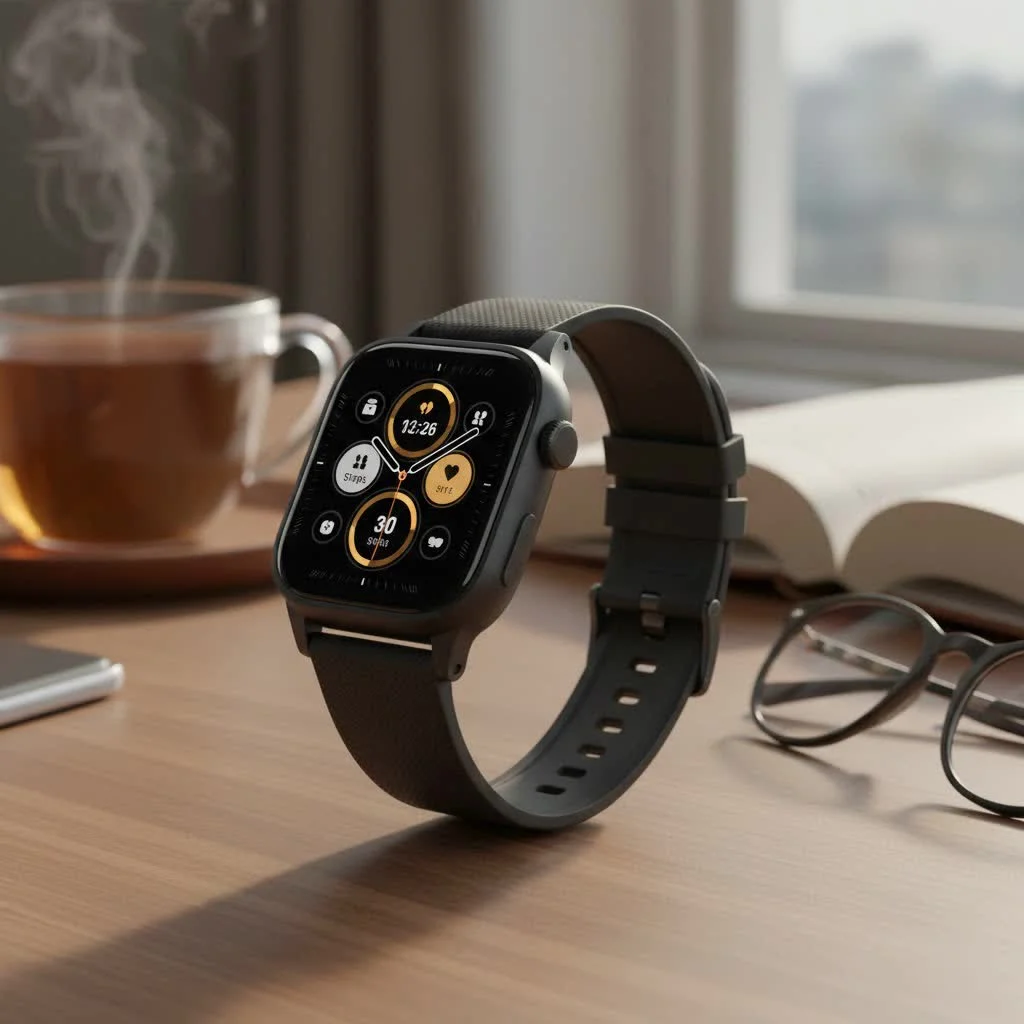
Finding the best new smart watch involves prioritizing compatibility with your smartphone, desired health and fitness tracking features, battery life, and design. For iPhone users, an Apple Watch offers seamless integration, while Android users benefit most from Wear OS devices like the Samsung Galaxy Watch or Google Pixel Watch. Key considerations include core sensors like heart rate and GPS, advanced monitoring such as ECG and SpO2, and battery performance ranging from 1-2 days for high-performance models to several days for fitness-focused devices.
What to Look for in a New Smart Watch
Before you get dazzled by the latest releases, it’s crucial to understand the core components that make a great smartwatch. Focusing on these key areas will ensure you invest in a device that you’ll love for years to come.
Operating System and Compatibility
The most critical decision is choosing a watch that works with your smartphone. The two main ecosystems are Apple’s watchOS and Google’s Wear OS.
- watchOS: This is exclusive to the Apple Watch and only pairs with iPhones. It’s known for its polished interface, seamless integration, and vast app library. If you’re an iPhone user, an Apple Watch is often the most logical and powerful choice.
- Wear OS: Powered by Google, this system is found on a wide range of watches from brands like Samsung, Google, and Fossil. It’s the go-to for Android users, offering deep integration with Google Assistant, Google Maps, and other services. Samsung’s watches, in particular, run a version of Wear OS with their own One UI skin, providing a unique and refined experience.
|
Our Picks for the Best Smart Watch in 2026
As an Amazon Associate I earn from qualifying purchases.
|
||
| Num | Product | Action |
|---|---|---|
| 1 | Smart Watch for Women, 1.85\" AMOLED Always-On Display Screen Smartwatch for iPhone & Android, 3ATM Waterproof Fitness Tracker with Bluetooth Call, Heart Rate/Sleep/SpO2 Monitor, 100+ Sport Modes |

|
| 2 | Smart Watch for Men Women, 2026 Smartwatch(Answer/Make Call) , 1.91\" New Fitness Watch with 120+ Sport Modes, Fitness Tracke with Pedometer/Sleep Monitor/Heart Rate/IP68 Waterproof, for Android/iPhone |
|
| 3 | Garmin Forerunner 55, GPS Running Watch with Daily Suggested Workouts, Up to 2 Weeks of Battery Life, Black - 010-02562-00 |
|
| 4 | SAMSUNG Galaxy Watch 7 40mm Bluetooth AI Smartwatch w/Energy Score, Wellness Tips, Heart Rate Tracking, Sleep Monitor, Fitness Tracker, 2024, Cream [US Version, 1Yr Manufacturer Warranty] |
|
| 5 | Smart Watch with Alexa Built-in, 1.83\" HD Touchscreen Fitness Tracker with Bluetooth Calling, Fitness Watch with Heart Rate/Sleep Monitor, 120+ Sports Modes, IP68 Waterproof Smartwatch for Android iOS |
|
| 6 | WHOOP 5.0/MG Activity Tracker - 12 Month Membership - Health and Fitness Wearable – 24/7 Activity and Sleep Tracker, Personalized Coaching, Menstrual Cycle Insights – 14+ Days Battery Life |
|
| 7 | Smart Watch(Answer/Make Call), 1.91\" Smartwatch for Men Women, NEW Fitness Watch with 110+ Sport Modes, Fitness Activity Tracke with Pedometer/Sleep Monitor/Heart Rate/IP68 Waterproof, for Android iOS |
|
| 8 | Smart Watch for Women Men, Smartwatch for iPhone & Android Bluetooth (Answer/Call) Built-in Alexa, 1.91\" HD Fitness Tracker with 105+ Sport Modes, IP68 Waterproof, Sleep/Heart Rate/SpO2/Stress Monitor |
|
| 9 | Amazfit Bip 6 Smart Watch 46mm, 14 Day Battery, 1.97\" AMOLED Display, GPS & Free Maps, AI, Bluetooth Call & Text, Health, Fitness & Sleep Tracker, 140+ Workout Modes, 5 ATM Water-Resistance, Black |
|
| 10 | Amazfit Bip 6 Smart Watch 46mm, 14 Day Battery, 1.97\" AMOLED Display, GPS & Free Maps, AI, Bluetooth Call & Text, Health, Fitness & Sleep Tracker, 140+ Workout Modes, 5 ATM Water-Resistance, Black |
|
Health and Fitness Tracking
Modern smartwatches have become indispensable health companions. When evaluating a new smart watch, consider which health metrics are most important to you.
- Core Sensors: Look for standards like a heart rate monitor, GPS for tracking runs and bike rides, and an accelerometer for step counting.
- Advanced Health Monitoring: Premium models offer more sophisticated sensors, such as ECG (electrocardiogram) for detecting irregular heart rhythms, SpO2 for measuring blood oxygen levels, and even skin temperature sensors for wellness and cycle tracking.
- Sleep Tracking: Most new watches provide detailed sleep analysis, breaking down your night into light, deep, and REM stages to help you improve your sleep hygiene.
Battery Life
Battery performance can be a major deal-breaker. How often are you willing to charge your watch?
- 1-2 Days: High-performance watches with vibrant, always-on displays like the Apple Watch and Samsung Galaxy Watch typically fall into this category. They require a daily charging routine.
- Several Days to a Week: Devices from brands like Garmin and Fitbit often prioritize battery life, sometimes lasting 5-10 days on a single charge by using less power-hungry displays.
- Weeks: Some specialized or hybrid smartwatches can last for weeks, but they usually sacrifice features like a full-color touchscreen and advanced smart capabilities.
“The biggest trade-off in wearable tech today is between advanced functionality and battery longevity,” notes wearable technology analyst, Dr. Evelyn Reed. “Consumers should be realistic about their daily usage. A power user who wants constant notifications and GPS tracking will need to charge their device nightly, and that’s perfectly fine if the features add value to their day.”
Design and Display
A smartwatch is also a fashion accessory. The look and feel are just as important as the technology inside. Look for high-resolution OLED or AMOLED displays, which offer vibrant colors and deep blacks, making them easy to read even in direct sunlight. Consider the case material (aluminum, stainless steel, or titanium) and the variety of available watch bands to match your personal style.
The Top New Smart Watch Models to Consider
The market is packed with excellent choices. Here are some of the leading contenders that cater to different needs and preferences.
For the All-Around User: Samsung Galaxy Watch Series
If you use an Android phone, the Samsung Galaxy Watch is arguably the best overall experience you can get. Running on Wear OS with Samsung’s intuitive interface, it offers a perfect blend of style, performance, and powerful health tracking. The signature rotating bezel on some models provides a uniquely satisfying way to navigate menus and apps. With robust fitness features and seamless integration with the Android ecosystem, it’s a top-tier new smart watch for almost anyone.
For the Apple Enthusiast: Apple Watch Series
For those embedded in the Apple ecosystem, there is no substitute for the Apple Watch. Its tight integration with the iPhone is unmatched, allowing you to take calls, answer messages, and use a vast library of apps right from your wrist. Apple continues to lead the industry in health innovation, with highly accurate sensors and potentially life-saving features like fall detection and ECG monitoring. Its sleek design and endless customization options make it both a tech powerhouse and a style icon.
For the Serious Athlete: Garmin Forerunner & Fenix Series
Garmin has built its reputation on creating purpose-built devices for athletes and adventurers. If you’re a dedicated runner, cyclist, or triathlete, a Garmin watch is your ultimate training partner. These watches offer:
- Unmatched GPS Accuracy: Superior tracking for all your outdoor activities.
- Advanced Training Metrics: In-depth data on things like VO2 max, training load, and recovery time.
- Incredible Battery Life: Many models can last for a week or more, even with regular GPS use.
While they may not have the same level of general-purpose “smart” features as an Apple or Samsung watch, their athletic prowess is in a league of its own.
For Style and Simplicity: Google Pixel Watch
The Google Pixel Watch stands out with its beautiful, minimalist design featuring a domed glass display that flows seamlessly into the case. It offers the purest Wear OS experience, with deep integration of Google services like Assistant, Maps, and Wallet. It also incorporates Fitbit’s renowned health and fitness tracking, making it a strong contender for those who want a clean, elegant new smart watch that excels at the fundamentals.
How to Set Up Your New Smart Watch for Maximum Benefit
Once you’ve made your choice, proper setup is key to unlocking its full potential.
- Charge It Fully: Before you start, give your new watch a full charge.
- Download the Companion App: Install the corresponding app on your smartphone (e.g., the Watch app for Apple Watch, Galaxy Wearable for Samsung).
- Pair Your Devices: Follow the on-screen instructions to pair your watch with your phone via Bluetooth. This is usually a simple process.
- Customize Your Watch Face: This is the fun part! Choose a watch face that shows the information most important to you, whether it’s the time, date, weather, or your daily activity progress.
- Manage Notifications: Don’t let your wrist buzz constantly. Go into the watch’s app on your phone and select only the most important apps you want to receive notifications from.
- Set Up Health Features: Activate and calibrate health-tracking features like heart rate monitoring, sleep tracking, and activity goals.
Frequently Asked Questions (FAQ)
What is the most important feature in a new smart watch?
Compatibility with your smartphone is the most crucial factor. An Apple Watch is best for iPhones, while a Wear OS watch (like Samsung or Pixel) is designed for Android phones. After that, prioritize features that matter to you, such as battery life or specific health sensors.
Can I use a smart watch without a phone?
Most smartwatches require a phone for initial setup and full functionality. However, models with LTE/cellular connectivity can perform many tasks independently—like making calls, sending texts, and streaming music—as long as you have an active data plan for the watch.
Are smartwatches waterproof?
Most modern smartwatches are water-resistant, not fully waterproof. They typically have a rating like 5ATM, meaning they are safe for swimming in a pool or the ocean at shallow depths. However, they are not recommended for high-velocity water sports like water skiing or scuba diving.
How accurate is smartwatch health tracking?
While smartwatches are not medical devices, their sensors for heart rate, steps, and sleep are generally quite accurate for consumer-level tracking. Features like ECG and SpO2 have also become increasingly reliable, providing valuable wellness insights, but should not be used to self-diagnose medical conditions.
Conclusion: Your Perfect Watch is Waiting
Choosing a new smart watch is a personal journey. The best device is the one that fits your aesthetic, supports your health goals, and simplifies your daily life. By focusing on compatibility, battery life, health features, and design, you can cut through the noise and find a wearable that feels like it was made just for you. Whether you go with a feature-packed flagship or a dedicated fitness tracker, your new smart watch is ready to become an essential part of your day.
Frequently Asked Questions
What is the most important feature in a new smart watch?
Compatibility with your smartphone is the most crucial factor for a new smart watch. An Apple Watch is best for iPhones, while a Wear OS watch (like Samsung or Pixel) is designed for Android phones. After compatibility, prioritize features such as battery life or specific health sensors that align with your needs.
Can I use a smart watch without a phone connection?
Most smartwatches require a phone for initial setup and full functionality. However, models with LTE/cellular connectivity can perform many tasks independently, such as making calls, sending texts, and streaming music, provided you have an active data plan for the watch.
Are smartwatches truly waterproof for all water activities?
Most modern smartwatches are water-resistant, not fully waterproof. They typically have a rating like 5ATM, meaning they are safe for swimming in a pool or the ocean at shallow depths up to 50 meters. However, they are not recommended for high-velocity water sports like water skiing or scuba diving.
How accurate are the health tracking features on smartwatches?
While smartwatches are not medical devices, their sensors for heart rate, steps, and sleep are generally quite accurate for consumer-level tracking. Features like ECG and SpO2 have also become increasingly reliable, providing valuable wellness insights, but should not be used to self-diagnose medical conditions.
Which smart watch brands offer the longest battery life?
Brands like Garmin and Fitbit often prioritize battery life, with many models lasting 5-10 days on a single charge. Some specialized or hybrid smartwatches can even last for weeks, though they may sacrifice features like full-color touchscreens and advanced smart capabilities.
Set Up Your New Smart Watch for Maximum Benefit
Proper setup is key to unlocking the full potential of your new smart watch, ensuring it integrates seamlessly into your daily life and provides accurate data.
Before you begin the setup process, ensure your new watch has a full charge. This prevents interruptions during pairing and initial configuration.
Install the corresponding app on your smartphone. Examples include the Watch app for Apple Watch or Galaxy Wearable for Samsung devices. This app is essential for managing settings and data.
Follow the on-screen instructions in the companion app to pair your watch with your phone via Bluetooth. This is typically a straightforward process that establishes the connection between the two devices.
Personalize your watch face to display the information most important to you. This could include the time, date, weather, or your daily activity progress, making essential data easily accessible at a glance.
Prevent constant wrist buzzing by selecting only the most important apps from which you want to receive notifications. Access this setting within the watch's app on your phone to tailor your notification experience.

I finally upgraded to the Google Pixel Watch after reading about its Wear OS integration, and I couldn’t be happier. The seamless connection with my Android phone is a game-changer, and the health tracking features are incredibly accurate. Battery life is about what I expected for a high-performance model, lasting me a full day with regular use. Definitely recommend it for any Android user looking for a sleek and functional smartwatch.
I picked up a new smart watch primarily for the advanced monitoring like ECG and SpO2. While those features work well, I’m a bit disappointed with the battery life. It only lasts about a day and a half, which means I have to charge it almost every night. I was hoping for something closer to the ‘several days’ mentioned for fitness-focused devices, but I guess that’s the trade-off for all the extra sensors.
As an iPhone user, the Apple Watch was a no-brainer for me, and the seamless integration is truly fantastic. I love how all my notifications and apps just work without any fuss. The GPS tracking for my runs is spot on, and the design is super comfortable for all-day wear. It’s a solid choice if you’re already in the Apple ecosystem.
I was really focused on finding a new smart watch with excellent core sensors like heart rate and GPS, and my new Samsung Galaxy Watch delivers. It’s been fantastic for tracking my workouts and daily activity. The compatibility with my Android phone is perfect, and I appreciate the robust build quality. It’s definitely a worthwhile investment for anyone serious about fitness tracking.