In the rapidly expanding world of wearable technology, you’ve likely come across a variety of terms and certifications. One that’s increasingly important, yet often misunderstood, is “RoHS.” If you’ve seen “Rohs Smart Watch” and wondered if it’s a new brand or a special feature, you’re not alone. Understanding this crucial standard is key to making a safer, more environmentally conscious choice for the technology you wear every day. A RoHS smart watch isn’t a specific brand, but rather any smart watch that meets a critical set of safety and environmental standards.
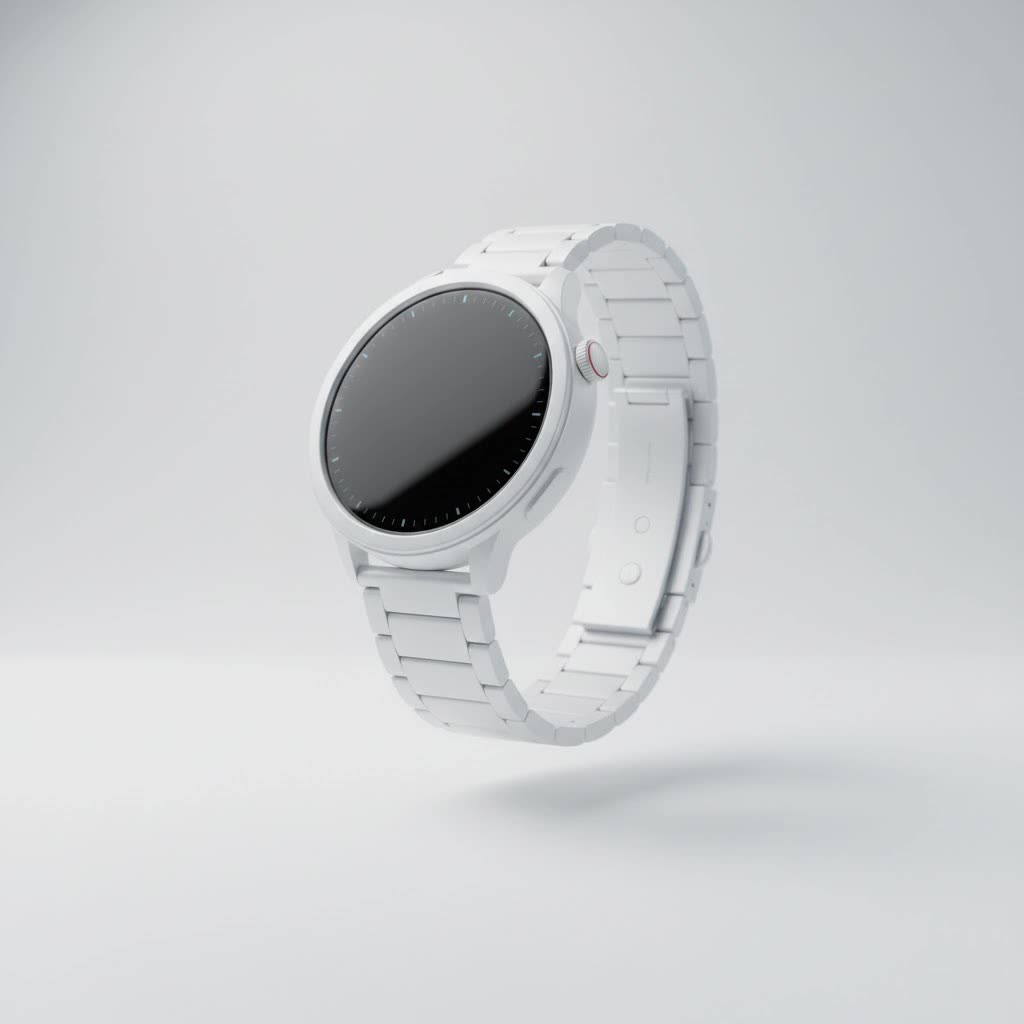
This guide will break down exactly what RoHS compliance means for a smart watch, why it’s a significant factor in your purchasing decision, and how you can ensure the device on your wrist is both safe for you and kinder to the planet.
What Does RoHS Mean for a Smart Watch?
RoHS stands for the Restriction of Hazardous Substances. It is a directive that originated in the European Union, designed to restrict the use of specific hazardous materials found in electrical and electronic products. The goal is to protect human health and the environment from the dangers posed by these substances, both during manufacturing and upon disposal.
When a smart watch is labeled as RoHS compliant, it means the manufacturer has certified that the device’s components do not exceed the maximum allowed levels of the following ten restricted substances:
- Lead (Pb)
- Mercury (Hg)
- Cadmium (Cd)
- Hexavalent chromium (Cr6+)
- Polybrominated biphenyls (PBB)
- Polybrominated diphenyl ethers (PBDE)
- Bis(2-ethylhexyl) phthalate (DEHP)
- Butyl benzyl phthalate (BBP)
- Dibutyl phthalate (DBP)
- Diisobutyl phthalate (DIBP)
These materials were once common in electronics for everything from soldering and batteries to plastic casings and flame retardants. A RoHS smart watch is a testament to more responsible manufacturing practices.
Is RoHS Just a European Standard?
|
Our Picks for the Best Smart Watch in 2026
As an Amazon Associate I earn from qualifying purchases.
|
||
| Num | Product | Action |
|---|---|---|
| 1 | Amazfit Bip 6 Smart Watch 46mm, 14 Day Battery, 1.97\" AMOLED Display, GPS & Free Maps, AI, Bluetooth Call & Text, Health, Fitness & Sleep Tracker, 140+ Workout Modes, 5 ATM Water-Resistance, Black |

|
| 2 | Smart Watch with Alexa Built-in, 1.83\" HD Touchscreen Fitness Tracker with Bluetooth Calling, Fitness Watch with Heart Rate/Sleep Monitor, 120+ Sports Modes, IP68 Waterproof Smartwatch for Android iOS |
|
| 3 | WHOOP 5.0/MG Activity Tracker - 12 Month Membership - Health and Fitness Wearable – 24/7 Activity and Sleep Tracker, Personalized Coaching, Menstrual Cycle Insights – 14+ Days Battery Life |
|
| 4 | Smart Watch for Women Men, Smartwatch for iPhone & Android Bluetooth (Answer/Call) Built-in Alexa, 1.91\" HD Fitness Tracker with 105+ Sport Modes, IP68 Waterproof, Sleep/Heart Rate/SpO2/Stress Monitor |
|
| 5 | Smart Watch for Women, 1.85\" AMOLED Always-On Display Screen Smartwatch for iPhone & Android, 3ATM Waterproof Fitness Tracker with Bluetooth Call, Heart Rate/Sleep/SpO2 Monitor, 100+ Sport Modes |
|
| 6 | SAMSUNG Galaxy Watch 7 40mm Bluetooth AI Smartwatch w/Energy Score, Wellness Tips, Heart Rate Tracking, Sleep Monitor, Fitness Tracker, 2024, Cream [US Version, 1Yr Manufacturer Warranty] |
|
| 7 | Amazfit Bip 6 Smart Watch 46mm, 14 Day Battery, 1.97\" AMOLED Display, GPS & Free Maps, AI, Bluetooth Call & Text, Health, Fitness & Sleep Tracker, 140+ Workout Modes, 5 ATM Water-Resistance, Black |
|
| 8 | Smart Watch for Men Women, 2026 Smartwatch(Answer/Make Call) , 1.91\" New Fitness Watch with 120+ Sport Modes, Fitness Tracke with Pedometer/Sleep Monitor/Heart Rate/IP68 Waterproof, for Android/iPhone |
|
| 9 | Smart Watch(Answer/Make Call), 1.91\" Smartwatch for Men Women, NEW Fitness Watch with 110+ Sport Modes, Fitness Activity Tracke with Pedometer/Sleep Monitor/Heart Rate/IP68 Waterproof, for Android iOS |
|
| 10 | Garmin Forerunner 55, GPS Running Watch with Daily Suggested Workouts, Up to 2 Weeks of Battery Life, Black - 010-02562-00 |
|
While the RoHS directive originated in the EU, its impact is global. Because so many electronics manufacturers want to sell their products in the vast European market, adhering to RoHS has become a de facto international standard. Many other countries and regions, including parts of the United States (like California with its own regulations), China, Japan, and South Korea, have adopted similar restrictions. Therefore, a RoHS-compliant device from a major brand is typically compliant worldwide.
As electronics expert Dr. Alistair Finch notes, “RoHS was a catalyst. It forced a global supply chain to re-evaluate and innovate, leading to safer materials and cleaner production processes across the entire industry, from the largest tech giants to smaller component suppliers.”
Why Should You Choose a RoHS Compliant Smart Watch?
Opting for a RoHS smart watch offers significant benefits that extend from your personal health to global environmental well-being. It’s a conscious choice that reflects a demand for safer and more sustainable products.
1. Enhanced Personal Safety
The primary reason for the RoHS directive is to protect human health. The restricted substances are known to be toxic. Lead, for example, can impact the nervous system, while cadmium is a known carcinogen. Although the amounts in a single non-compliant device might be small, a smart watch is an item you wear directly against your skin for hours every day, often for years.
Choosing a RoHS smart watch minimizes your long-term exposure to these harmful materials. This is particularly important for individuals with sensitive skin or allergies, as non-compliant materials can sometimes cause skin irritation or other reactions.
2. Environmental Protection
The lifecycle of electronic devices is a major environmental concern. When electronics are discarded, they become e-waste. If a non-compliant smart watch ends up in a landfill, the hazardous substances it contains can leach into the soil and groundwater, contaminating ecosystems and potentially entering the food chain.
The incineration of e-waste containing these materials can also release toxic fumes into the atmosphere. By choosing a RoHS smart watch, you are supporting a cleaner manufacturing process and helping to reduce the amount of hazardous e-waste polluting the planet. It’s a small step that contributes to a larger effort for a sustainable future.
3. Promoting Corporate Responsibility
Your purchasing power sends a strong message to manufacturers. When consumers prioritize and choose RoHS-compliant products, it encourages more companies to adopt responsible manufacturing standards. This drives the industry toward innovation in safer, more sustainable materials and practices. Supporting companies that invest in compliance helps ensure that worker safety and environmental health are treated as priorities, not afterthoughts.
How to Tell if a Smart Watch is RoHS Compliant
Identifying a RoHS smart watch is usually straightforward, as manufacturers who meet the standard are proud to display it. Here’s what to look for:
- Check the Product Packaging: Look for a “RoHS” logo or a “CE” mark on the box. The CE mark indicates conformity with health, safety, and environmental protection standards for products sold within the European Economic Area, which includes RoHS compliance.
- Read the Product Manual or Documentation: Manufacturers often state their compliance with various standards in the user guide or technical specification sheet.
- Visit the Manufacturer’s Website: The official product page or a dedicated “sustainability” or “environment” section of the company’s website will typically list its certifications, including RoHS.
- Contact Customer Support: If you can’t find the information easily, don’t hesitate to reach out to the manufacturer’s customer service team and ask directly.
Most major smart watch brands, such as Apple, Samsung, Garmin, and Fitbit, adhere to RoHS and other environmental standards as a matter of course to operate globally. However, for less-known or budget brands, it is always wise to double-check for compliance.
The Broader Impact of Eco-Friendly Electronics
The movement toward RoHS compliance is part of a larger trend in the tech industry focused on sustainability. Beyond just restricting hazardous materials, many companies are now designing products for longevity, repairability, and recyclability. This includes using recycled materials in their devices, reducing packaging waste, and offering trade-in or recycling programs for old products.
When you purchase a RoHS smart watch, you are aligning yourself with this positive shift. You are investing in a product that was designed with a greater sense of responsibility—a responsibility to the consumer, the factory worker, and the planet we all share.
Frequently Asked Questions (FAQ)
What does the “CE” mark on a smart watch mean?
The “CE” mark signifies that the product complies with the relevant European Union regulations, which includes the RoHS directive. If you see a CE mark, the device is almost certainly RoHS compliant.
Are all smart watches sold in the US RoHS compliant?
There is no federal US law equivalent to the EU’s RoHS directive. However, states like California have their own similar regulations (the “Electronic Waste Recycling Act”). More importantly, because most major brands operate on a global scale, they adhere to the stricter EU standards for all their products. So, a smart watch from a reputable international brand sold in the US will typically be RoHS compliant.
Does RoHS compliance affect the performance of a smart watch?
No, RoHS compliance does not negatively impact the performance, functionality, or longevity of a smart watch. In the early days of the directive, manufacturers had to find new lead-free solders and other materials, but today, these alternatives are well-established and perform just as well, if not better, than the older, hazardous ones.
Is a RoHS smart watch more expensive?
Initially, the transition to RoHS-compliant components and processes may have added a small cost for manufacturers. However, these practices are now standard across the industry, and there is no significant price difference between compliant and non-compliant devices. The benefits of safety and environmental protection far outweigh any negligible cost variations.
What should I do with my old smart watch?
Regardless of whether your old smart watch is RoHS compliant, you should never throw it in the regular trash. Treat it as e-waste. Look for local e-waste recycling programs, check with the manufacturer for trade-in or take-back programs, or take it to a major electronics retailer that offers recycling services.
Your Next Step Towards a Smarter, Safer Choice
The term “RoHS smart watch” may seem technical, but its meaning is simple and powerful. It represents a commitment to safety, health, and environmental stewardship. By choosing a device that meets this standard, you are not only protecting yourself from potential exposure to harmful substances but also casting a vote for a more responsible and sustainable electronics industry. The next time you shop for a wearable, look beyond the features and specs. Check for that RoHS or CE mark, and wear your technology with the confidence that it’s better for you and the world around you.
