The line between a dedicated fitness tracker and a feature-rich smartwatch has become increasingly blurry. Just a few years ago, you had a clear choice: a simple band for counting steps or a mini-computer on your wrist for notifications. Today, the best devices are a powerful hybrid, offering the best of both worlds. This guide will navigate the exciting world of the modern Smart Watch Fitness Tracker, helping you understand the essential features and choose the perfect companion for your health and wellness journey.
What’s the Real Difference Anymore?
Historically, fitness trackers were streamlined devices laser-focused on monitoring activity metrics like steps, heart rate, and sleep. They were typically discreet, offered incredible battery life, and were less expensive. Smartwatches, on the other hand, were extensions of your smartphone, prioritizing apps, notifications, and connectivity, with fitness tracking as a secondary function.
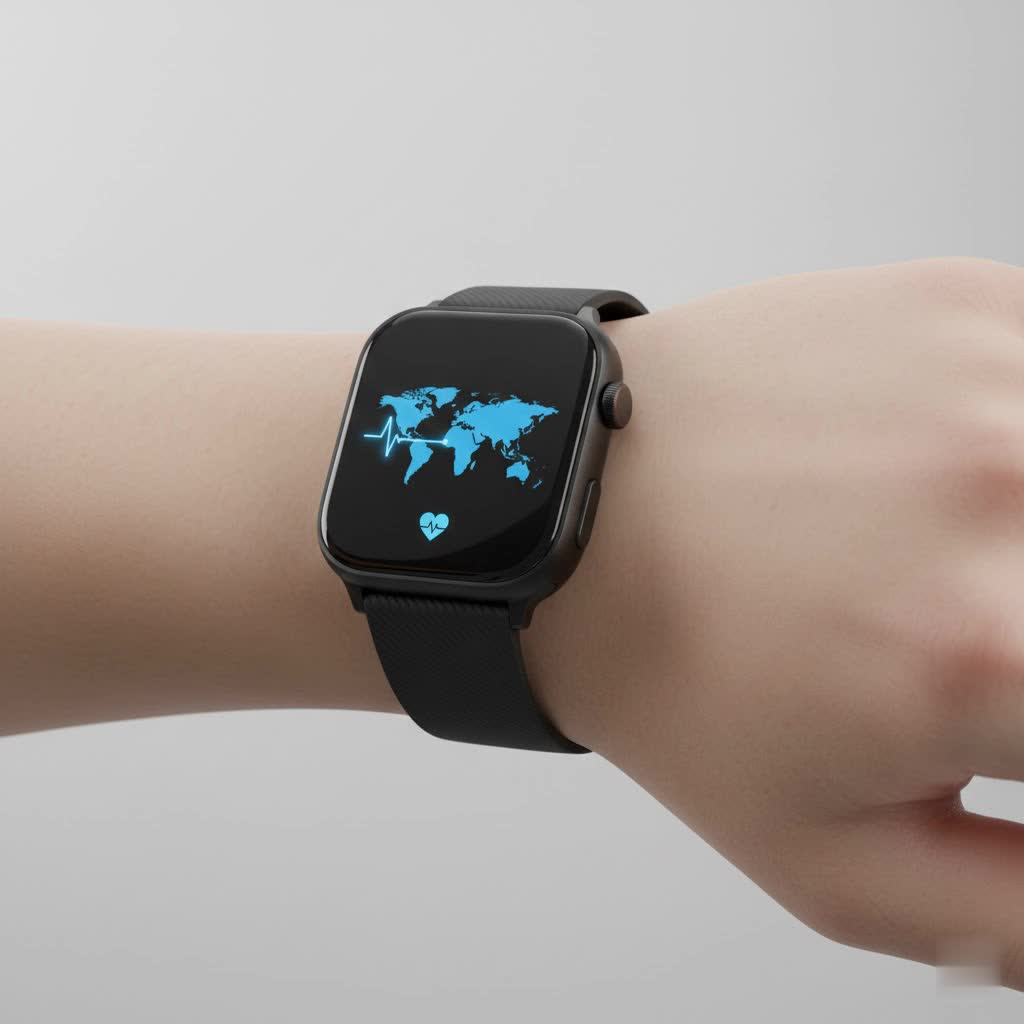
The game has changed. Today’s leading smartwatches from brands like Apple, Samsung, and Garmin have integrated highly sophisticated health sensors, making them formidable fitness tools. Simultaneously, advanced fitness trackers from companies like Fitbit (owned by Google) have incorporated “smart” features like notifications and mobile payments. The result is a new category: the smart watch fitness tracker. This hybrid device aims to provide comprehensive health monitoring without sacrificing the connectivity and advanced functionality you expect from a smartwatch.
Key Fitness Tracking Features to Demand in Your Smart Watch
When you’re investing in a device to monitor your health, certain features are non-negotiable. Look for these core functions to ensure your smart watch fitness tracker is a powerful and reliable tool.
Heart Rate Monitoring (and ECG)
|
Our Picks for the Best Smart Watch in 2026
As an Amazon Associate I earn from qualifying purchases.
|
||
| Num | Product | Action |
|---|---|---|
| 1 | Smart Watch(Answer/Make Call), 1.91\" Smartwatch for Men Women, NEW Fitness Watch with 110+ Sport Modes, Fitness Activity Tracke with Pedometer/Sleep Monitor/Heart Rate/IP68 Waterproof, for Android iOS |

|
| 2 | Smart Watch with Alexa Built-in, 1.83\" HD Touchscreen Fitness Tracker with Bluetooth Calling, Fitness Watch with Heart Rate/Sleep Monitor, 120+ Sports Modes, IP68 Waterproof Smartwatch for Android iOS |
|
| 3 | Smart Watch for Women Men, Smartwatch for iPhone & Android Bluetooth (Answer/Call) Built-in Alexa, 1.91\" HD Fitness Tracker with 105+ Sport Modes, IP68 Waterproof, Sleep/Heart Rate/SpO2/Stress Monitor |
|
| 4 | Garmin Forerunner 55, GPS Running Watch with Daily Suggested Workouts, Up to 2 Weeks of Battery Life, Black - 010-02562-00 |
|
| 5 | WHOOP 5.0/MG Activity Tracker - 12 Month Membership - Health and Fitness Wearable – 24/7 Activity and Sleep Tracker, Personalized Coaching, Menstrual Cycle Insights – 14+ Days Battery Life |
|
| 6 | Smart Watch for Women, 1.85\" AMOLED Always-On Display Screen Smartwatch for iPhone & Android, 3ATM Waterproof Fitness Tracker with Bluetooth Call, Heart Rate/Sleep/SpO2 Monitor, 100+ Sport Modes |
|
| 7 | SAMSUNG Galaxy Watch 7 40mm Bluetooth AI Smartwatch w/Energy Score, Wellness Tips, Heart Rate Tracking, Sleep Monitor, Fitness Tracker, 2024, Cream [US Version, 1Yr Manufacturer Warranty] |
|
| 8 | Amazfit Bip 6 Smart Watch 46mm, 14 Day Battery, 1.97\" AMOLED Display, GPS & Free Maps, AI, Bluetooth Call & Text, Health, Fitness & Sleep Tracker, 140+ Workout Modes, 5 ATM Water-Resistance, Black |
|
| 9 | Smart Watch for Men Women, 2026 Smartwatch(Answer/Make Call) , 1.91\" New Fitness Watch with 120+ Sport Modes, Fitness Tracke with Pedometer/Sleep Monitor/Heart Rate/IP68 Waterproof, for Android/iPhone |
|
| 10 | Amazfit Bip 6 Smart Watch 46mm, 14 Day Battery, 1.97\" AMOLED Display, GPS & Free Maps, AI, Bluetooth Call & Text, Health, Fitness & Sleep Tracker, 140+ Workout Modes, 5 ATM Water-Resistance, Black |
|
Continuous heart rate monitoring is the bedrock of modern fitness tracking. It provides data for everything from calorie burn estimates to sleep stage analysis. More advanced models now include an electrocardiogram (ECG or EKG) sensor, which can detect signs of atrial fibrillation (AFib), a common form of irregular heart rhythm.
GPS and Location Tracking
For runners, cyclists, and hikers, built-in GPS is a must-have. It allows you to accurately track your route, distance, and pace without needing to carry your smartphone. This provides more precise workout data and the freedom to leave your phone at home.
SpO2 (Blood Oxygen) Monitoring
An SpO2 sensor measures the oxygen saturation level in your blood. While not a diagnostic tool, it can provide insights into your respiratory health and how your body is acclimating to high altitudes or intense exercise. It’s a key metric for a holistic view of your wellness.
Advanced Sleep Tracking
Quality sleep is crucial for recovery and overall health. A good smart watch fitness tracker goes beyond just tracking duration. It should analyze your sleep stages (light, deep, REM), track interruptions, and provide a sleep score to help you understand and improve your sleep quality over time.
Diverse Activity and Workout Profiles
Your fitness routine is unique, and your tracker should reflect that. The best devices offer a wide range of pre-loaded workout profiles, from running and swimming to yoga and strength training. These profiles track specific metrics relevant to each activity, giving you more tailored and useful data.
Battery Life: The Fitness Enthusiast’s Dealbreaker
One of the biggest differentiators remains battery life. A feature-packed smartwatch might require nightly charging, which can be a hassle and means you miss out on sleep tracking. Many fitness-focused smartwatches, however, prioritize longevity, offering multi-day or even week-long battery life on a single charge. Consider how often you’re willing to charge your device.
How to Choose the Right Smart Watch Fitness Tracker for You
With so many options available, finding the right device can feel overwhelming. Focus on these key areas to narrow down your search and find the perfect match for your lifestyle.
Define Your Fitness Goals
First, be honest about your activity level and goals.
- For the Casual User: If your goal is to increase daily steps and monitor general wellness, a device with solid step counting, heart rate monitoring, and sleep tracking will suffice.
- For the Dedicated Runner or Cyclist: Prioritize a watch with highly accurate built-in GPS, detailed performance metrics (like VO2 Max), and long battery life for extended workouts.
- For the All-Around Athlete: Look for a versatile device with numerous sport profiles, water resistance for swimming, and durable construction.
Consider Your Smartphone’s Ecosystem
Compatibility is crucial. While some watches work with both iOS and Android, they often provide a more seamless experience when paired with a phone from the same ecosystem.
- iPhone Users: The Apple Watch offers the tightest integration with iOS, providing a flawless experience for notifications, apps, and data syncing with Apple Health.
- Android Users: The Samsung Galaxy Watch and Google Pixel Watch are top contenders, offering deep integration with the Android operating system and a wide range of features. Garmin watches are also highly compatible with both systems.
Don’t Forget About Style and Comfort
You’ll be wearing this device 24/7, so it needs to be comfortable and match your personal style. Many models offer different sizes, case materials, and a vast selection of interchangeable bands, allowing you to customize the look for the gym, the office, or a night out.
Are Smart Watches Accurate for Fitness Tracking?
This is a common and important question. Generally, modern high-end smartwatches are remarkably accurate for most consumer-level fitness tracking. GPS tracking for distance and pace is typically on par with dedicated running watches. Heart rate monitors have improved significantly, though they can sometimes struggle with high-intensity interval training where heart rate changes rapidly. For the vast majority of users, the data from a quality smart watch fitness tracker is more than reliable enough to track trends, stay motivated, and monitor progress toward fitness goals.
Frequently Asked Questions (FAQ)
Can a cheap smart watch be a good fitness tracker?
While budget-friendly options can track basic metrics like steps, they often lack the accuracy, advanced sensors (like GPS and SpO2), and robust software of premium models. For reliable and detailed health data, it’s generally worth investing in a reputable brand.
Do I need a cellular plan for my smart watch?
No, a cellular (LTE) plan is an optional feature. All smartwatches connect to your phone via Bluetooth. A cellular model allows you to make calls, send texts, and stream music without your phone nearby, which is a great feature for runners or those who want to disconnect from their phone.
What is the most accurate smart watch for heart rate?
Brands like Apple, Garmin, and Samsung are consistently rated at the top for heart rate accuracy. However, for medical-grade precision, a chest strap monitor is still considered the gold standard and can often be paired with your smartwatch.
How long should a fitness smartwatch battery last?
This varies widely. An Apple Watch typically requires daily charging. A Samsung or Pixel Watch might last 1-2 days with moderate use. Fitness-focused watches from brands like Garmin can last anywhere from 5 days to over two weeks, depending on the model and usage.
Your Partner in Health
Choosing the right smart watch fitness tracker is a personal decision that depends on your goals, lifestyle, and budget. These powerful devices have evolved from simple step counters into comprehensive wellness companions. By focusing on the features that matter most to you, you can find a device that not only tracks your activity but also empowers you to live a healthier, more connected life. It’s time to find the perfect partner for your wrist and take the next step on your fitness journey.
