Ever wondered what’s truly going on inside your chest, minute by minute, throughout your day? In our fast-paced world, smartwatches have emerged as indispensable personal health assistants, giving us a window into our vital statistics. Among their most celebrated features, smart watch heart rate monitoring stands out, offering a blend of cutting-edge technology and accessible wellness insights right from your wrist. It’s more than just a number; it’s a powerful tool to understand your body better, optimize your fitness, and even flag potential health concerns before they become serious.
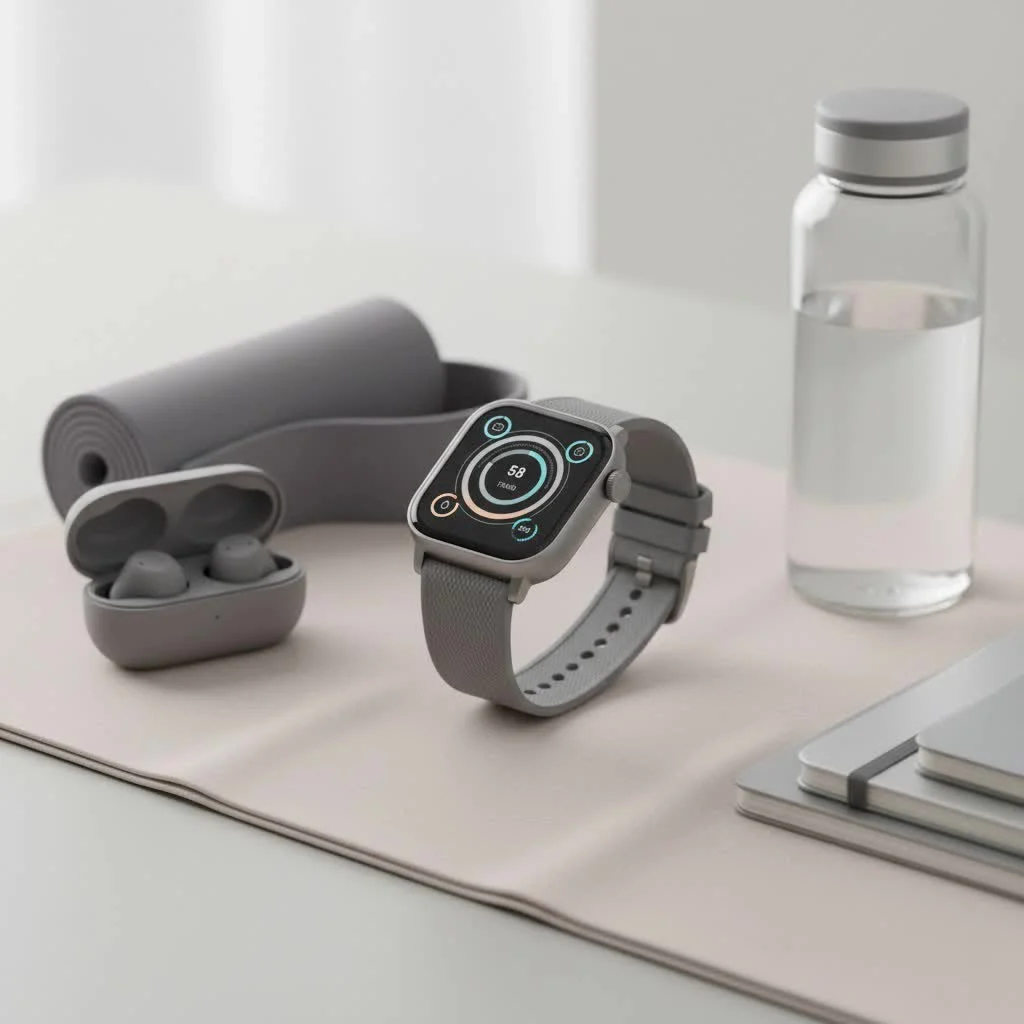
How Your Smart Watch Keeps Tabs on Your Heartbeat: The Science Behind the Wrist
So, how does that sleek device on your wrist magically know your heart’s rhythm? Most smartwatches rely on a clever technology called Photoplethysmography, or PPG for short. Imagine tiny green LED lights on the back of your watch gently shining onto your skin. These lights aren’t just for show; they’re actively looking for changes.
Here’s the simplified science: when your heart beats, blood rushes through your veins, causing a slight increase in blood volume under your skin. This increased blood volume absorbs more green light. Between beats, when blood flow is lower, less light is absorbed. The smartwatch’s optical sensor detects these subtle changes in reflected light. Its sophisticated algorithms then process these light fluctuations, translating them into your pulse rate – your smart watch heart rate – in beats per minute (BPM).
Some advanced smartwatches also incorporate Electrocardiogram (ECG) sensors. Unlike PPG, which measures blood flow, ECG directly measures the electrical signals your heart produces with each beat. By placing a finger on the watch crown while wearing the device, these sensors can record a single-lead ECG, providing a more detailed look at your heart’s electrical activity. Think of PPG as listening to the rhythm of a drum, and ECG as analyzing the exact stick movements that create that rhythm.
The Pulse of Precision: Are Smart Watch Heart Rate Readings Accurate?
The big question on everyone’s mind is, “Can I really trust my smart watch heart rate data?” For everyday use and general wellness tracking, the answer is often a resounding yes. Smartwatches are generally quite accurate when you’re at rest or performing steady, moderate-intensity activities. Many studies have shown that popular models from brands like Apple and Samsung can be highly accurate in detecting baseline heart rates.
However, it’s crucial to understand that their accuracy isn’t absolute, especially compared to medical-grade devices like a chest strap heart rate monitor or a clinical ECG. Several factors can influence the precision of your smartwatch’s readings:
- Physical Activity and Movement: During intense exercise, especially activities involving a lot of arm movement (like boxing or weightlifting), sweat, or rapid heart rate spikes, the optical sensor can struggle to get a consistent reading. The constant motion and increased sweat can interfere with the light signals, leading to less reliable data. You might notice a lag in readings or even implausibly high or low numbers during these times.
- Fit and Placement: For optimal accuracy, your smartwatch needs to be snug but not uncomfortably tight on your wrist, positioned slightly above the wrist bone. If there’s too much slack, external light can interfere, or the sensor might lose contact with your skin.
- Skin Tone and Tattoos: The way light is absorbed by your skin can vary. People with darker skin tones or tattoos in the sensor area might experience less accurate readings because melanin and tattoo pigments can absorb more of the green light, making it harder for the sensor to detect blood flow changes. Manufacturers are continuously working to improve algorithms to account for these variations.
- Environmental Factors: Extremely cold weather, for instance, can constrict blood vessels in the wrist, potentially impacting the sensor’s ability to get a clear reading.
While studies have found high-end smartwatches like the Apple Watch Series 3 to be quite comparable to chest straps for accuracy during certain aerobic activities, medical professionals still consider chest straps (which use electrical signals) and clinical ECGs as the gold standard for diagnostic purposes. For serious athletes or those requiring precise data for training zones, a dedicated chest strap might still be preferred for critical moments.
Beyond the Beat: The Powerful Benefits of Smart Watch Heart Rate Tracking
Despite their limitations as medical diagnostic tools, the benefits of smart watch heart rate monitoring for general health and fitness are immense. These devices empower individuals in several compelling ways:
- Optimizing Your Workouts: Understanding your heart rate during exercise is key to hitting your fitness goals. Whether you’re aiming for fat burning, cardio endurance, or peak performance, your smartwatch can help you stay within your target heart rate zones. This real-time feedback ensures you’re working out efficiently, not too little, and not pushing too hard beyond your limits.
- Tracking Fitness Progress: A lower resting heart rate often indicates improved cardiovascular fitness. By continuously monitoring your resting heart rate over time, your smartwatch can provide tangible evidence of your fitness journey, motivating you to stay active. Seeing that number gradually drop can be incredibly rewarding!
- Early Awareness of Irregularities: This is where smartwatches truly shine as health awareness tools. Many models can alert you if your heart rate is unexpectedly high or low while you’re at rest. Crucially, some smartwatches are also equipped with algorithms designed to detect irregular heart rhythms suggestive of Atrial Fibrillation (AFib) – a common heart condition that increases stroke risk. These notifications have, in many documented cases, prompted users to seek medical attention, leading to early diagnosis and treatment. As “Dr. Alistair Finch,” a leading cardiologist and digital health advocate, often notes, “While a smartwatch isn’t a substitute for a doctor, its ability to flag potential AFib quietly and consistently has been a game-changer for early detection in the community.”
- Motivating a Healthier Lifestyle: Simply wearing a device that tracks your activity and heart rate can make you more conscious of your daily habits. Seeing your steps count, activity minutes, or even “closing your rings” on certain platforms provides positive reinforcement, encouraging you to move more and sit less. This consistent nudge towards physical activity has a direct positive impact on heart health.
- Personalized Health Data: Smartwatches put your health data directly into your hands. You can review trends, identify patterns in your sleep linked to heart rate variability, and gain a holistic view of your daily well-being. This information can be incredibly valuable for discussions with your healthcare provider, helping them understand your physiological responses over time.
Navigating the Nuances: What to Consider Before Relying on Your Smart Watch for Heart Health
While the upsides are clear, it’s vital to approach smart watch heart rate data with a balanced perspective. These devices are designed for general wellness and fitness, not as medical diagnostic instruments. Here are a few things to keep in mind:
- Not a Diagnostic Tool: Your smartwatch cannot diagnose heart conditions or replace professional medical advice. If you experience symptoms like chest pain, severe palpitations, shortness of breath, or dizziness, always consult a doctor immediately, regardless of what your smartwatch says.
- Potential for Anxiety: Receiving an alert about an irregular heart rhythm or an abnormally high/low heart rate can be alarming. While these alerts can be beneficial, they can also cause undue anxiety, especially if they turn out to be false positives or are misinterpreted. It’s important not to self-diagnose based solely on smartwatch data.
- Understanding Limitations: Be aware that certain scenarios, like high-intensity interval training (HIIT) or activities with repetitive arm movements, might yield less accurate readings. Sweat and a loose fit are common culprits for temporary inaccuracies.
- Context is Key: A single irregular reading might not be a cause for concern, but persistent patterns or multiple alerts warrant a conversation with your healthcare provider. Your doctor can interpret the data in the context of your overall health and medical history.
Choosing Your Heart’s Companion: Tips for Selecting a Smart Watch with Reliable Heart Rate Monitoring
When you’re ready to invest in a smartwatch with robust heart rate monitoring, consider these tips to make the best choice:
- Reputation for Accuracy: Look for brands and models known for their advanced optical sensors and reliable algorithms. High-end smartwatches from established tech and fitness companies often offer superior accuracy.
- Review During Activity: Check reviews specifically detailing the accuracy of the smart watch heart rate monitor during various types of exercise that you typically do.
- Additional Health Features: Beyond basic heart rate, consider if you need features like ECG capabilities for deeper insights into electrical activity, SpO2 (blood oxygen) monitoring, or fall detection.
- Comfort and Fit: A smartwatch that fits snugly and comfortably is essential for consistent and accurate readings. Try different models to find one that feels right on your wrist.
- Battery Life: Continuous heart rate monitoring can impact battery life, so choose a watch that can keep up with your daily demands.
Frequently Asked Questions about Smart Watch Heart Rate
Q1: How accurate are smartwatches compared to medical-grade chest straps?
|
Our Picks for the Best Smart Watch in 2026
As an Amazon Associate I earn from qualifying purchases.
|
||
| Num | Product | Action |
|---|---|---|
| 1 | Smart Watch for Women, 1.85\" AMOLED Always-On Display Screen Smartwatch for iPhone & Android, 3ATM Waterproof Fitness Tracker with Bluetooth Call, Heart Rate/Sleep/SpO2 Monitor, 100+ Sport Modes |

|
| 2 | Garmin Forerunner 55, GPS Running Watch with Daily Suggested Workouts, Up to 2 Weeks of Battery Life, Black - 010-02562-00 |
|
| 3 | Smart Watch for Men Women, 2026 Smartwatch(Answer/Make Call) , 1.91\" New Fitness Watch with 120+ Sport Modes, Fitness Tracke with Pedometer/Sleep Monitor/Heart Rate/IP68 Waterproof, for Android/iPhone |
|
| 4 | Smart Watch for Women Men, Smartwatch for iPhone & Android Bluetooth (Answer/Call) Built-in Alexa, 1.91\" HD Fitness Tracker with 105+ Sport Modes, IP68 Waterproof, Sleep/Heart Rate/SpO2/Stress Monitor |
|
| 5 | Smart Watch with Alexa Built-in, 1.83\" HD Touchscreen Fitness Tracker with Bluetooth Calling, Fitness Watch with Heart Rate/Sleep Monitor, 120+ Sports Modes, IP68 Waterproof Smartwatch for Android iOS |
|
| 6 | Amazfit Bip 6 Smart Watch 46mm, 14 Day Battery, 1.97\" AMOLED Display, GPS & Free Maps, AI, Bluetooth Call & Text, Health, Fitness & Sleep Tracker, 140+ Workout Modes, 5 ATM Water-Resistance, Black |
|
| 7 | SAMSUNG Galaxy Watch 7 40mm Bluetooth AI Smartwatch w/Energy Score, Wellness Tips, Heart Rate Tracking, Sleep Monitor, Fitness Tracker, 2024, Cream [US Version, 1Yr Manufacturer Warranty] |
|
| 8 | Amazfit Bip 6 Smart Watch 46mm, 14 Day Battery, 1.97\" AMOLED Display, GPS & Free Maps, AI, Bluetooth Call & Text, Health, Fitness & Sleep Tracker, 140+ Workout Modes, 5 ATM Water-Resistance, Black |
|
| 9 | Smart Watch(Answer/Make Call), 1.91\" Smartwatch for Men Women, NEW Fitness Watch with 110+ Sport Modes, Fitness Activity Tracke with Pedometer/Sleep Monitor/Heart Rate/IP68 Waterproof, for Android iOS |
|
| 10 | WHOOP 5.0/MG Activity Tracker - 12 Month Membership - Health and Fitness Wearable – 24/7 Activity and Sleep Tracker, Personalized Coaching, Menstrual Cycle Insights – 14+ Days Battery Life |
|
While smartwatches are generally accurate at rest and during moderate activity, dedicated chest strap monitors are typically considered more precise for rigorous exercise or clinical-grade accuracy because they measure electrical signals directly, rather than relying on optical blood flow detection.
Q2: Can a smartwatch detect a heart attack?
No, a smartwatch cannot detect a heart attack. While some can alert you to irregular rhythms like AFib or unusual heart rate fluctuations, they are not designed or approved to diagnose heart attacks. If you suspect a heart attack, seek emergency medical attention immediately.
Q3: What factors can make my smartwatch heart rate readings inaccurate?
Common factors include intense physical activity with arm movements, improper fit (too loose or too tight), sweat, skin tone, tattoos, and environmental conditions like extreme cold.
Q4: Is continuous heart rate monitoring really useful?
Absolutely. Continuous monitoring allows your smartwatch to track trends in your resting heart rate, identify patterns in your exercise intensity, analyze sleep heart rate, and alert you to unexpected high or low readings or irregular rhythms, providing valuable insights into your overall cardiovascular health over time.
Q5: Should I worry about every irregular heart rate notification from my smartwatch?
Not necessarily, but you should take them seriously. A single notification might be a fluke, but if you consistently receive alerts or experience symptoms, it’s crucial to consult your doctor. They can perform diagnostic tests to confirm any underlying issues and provide appropriate medical advice.
The Future is on Your Wrist
In conclusion, the smart watch heart rate feature has revolutionized personal health tracking, transforming our wrists into powerful hubs of physiological insight. These remarkable devices are far more than just time-tellers; they are partners in our wellness journey, offering motivation, monitoring, and an unprecedented level of self-awareness.
While smartwatches provide incredible convenience and valuable data for optimizing fitness and detecting potential issues early, remember they are best used as complementary tools. They empower you to be proactive about your health, to understand your body’s unique rhythms, and to engage more meaningfully with your fitness goals. Embrace the technology, stay informed, and always consult with healthcare professionals for any medical concerns. Your heart will thank you for it!
Smart home that does not lock you in
Free PDF — protocol compatibility matrix for 30 hubs and devices.