In a world that never stops moving, staying on top of our health can feel like another item on an already overflowing to-do list. But what if your health companion was right there on your wrist, silently working 24/7 to give you vital insights? We’re talking about the incredible evolution of the smartwatch, specifically models equipped with advanced blood pressure and heart rate monitoring capabilities. These aren’t just gadgets; they’re personal health sentinels, transforming how we understand and manage our well-being. At Yhslj.com, we believe that understanding these intricate devices empowers you to make smarter choices for a healthier life, and we’re here to guide you through every pulse and pressure point.
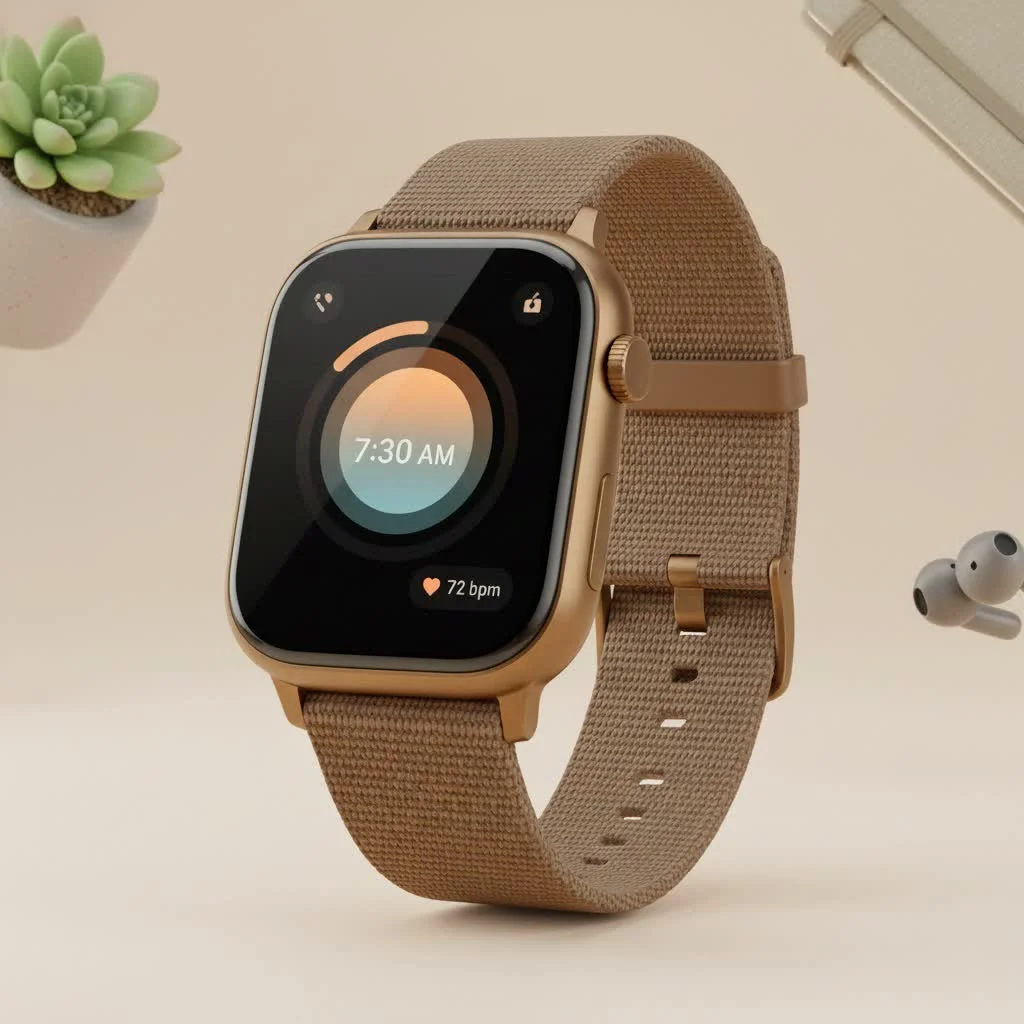
Why a Smartwatch with Blood Pressure and Heart Rate Monitor?
Imagine having a miniature health clinic strapped to your wrist. That’s the promise of a smartwatch with blood pressure and heart rate monitoring. It’s about convenience, continuous data, and proactive health management that fits seamlessly into your lifestyle.
The Power of Constant Monitoring
Traditional health check-ups offer snapshots, but life is a continuous movie. A smartwatch provides real-time, ongoing data about your heart rate and, in some cases, blood pressure, allowing you to catch subtle changes that might otherwise go unnoticed. This continuous stream of information can be invaluable for identifying trends, understanding your body’s responses to stress or exercise, and even alerting you to potential issues that warrant a conversation with your doctor. Early detection, after all, is often the best defense.
Beyond Just Time: A Holistic Health Companion
While monitoring blood pressure and heart rate are standout features, these smartwatches are typically packed with a suite of other health-tracking tools. Think sleep patterns, blood oxygen saturation (SpO2), stress levels, and comprehensive activity tracking. Together, these metrics paint a much richer picture of your overall health, helping you connect the dots between your daily habits and your physiological responses. It’s about moving from reactive care to proactive wellness, with your smartwatch as your diligent assistant.
How Do Smartwatches Measure Your Heart’s Vital Signs?
Ever wonder how these sleek devices manage to peek into your body’s inner workings? It’s a fascinating blend of advanced sensors and clever algorithms.
Heart Rate: The Green Light Magic (PPG)
Measuring your heart rate is perhaps the most established and widely accurate health feature on smartwatches. Most smartwatches use a technology called Photoplethysmography (PPG). This involves tiny green LEDs on the back of your watch that shine light onto your wrist. Blood absorbs green light, and as your heart beats, blood flow in your wrist changes. The PPG sensor detects these minute changes in reflected light intensity. When your heart pumps, there’s more blood, more absorption, and less reflected light; when it relaxes, less blood, less absorption, and more reflected light. These fluctuations are translated into your heart rate, providing a continuous beat-by-beat reading.
Blood Pressure: The Complex Challenge
|
Our Picks for the Best Smart Watch in 2026
As an Amazon Associate I earn from qualifying purchases.
|
||
| Num | Product | Action |
|---|---|---|
| 1 | WHOOP 5.0/MG Activity Tracker - 12 Month Membership - Health and Fitness Wearable – 24/7 Activity and Sleep Tracker, Personalized Coaching, Menstrual Cycle Insights – 14+ Days Battery Life |

|
| 2 | Smart Watch for Women Men, Smartwatch for iPhone & Android Bluetooth (Answer/Call) Built-in Alexa, 1.91\" HD Fitness Tracker with 105+ Sport Modes, IP68 Waterproof, Sleep/Heart Rate/SpO2/Stress Monitor |
|
| 3 | Smart Watch for Women, 1.85\" AMOLED Always-On Display Screen Smartwatch for iPhone & Android, 3ATM Waterproof Fitness Tracker with Bluetooth Call, Heart Rate/Sleep/SpO2 Monitor, 100+ Sport Modes |
|
| 4 | Amazfit Bip 6 Smart Watch 46mm, 14 Day Battery, 1.97\" AMOLED Display, GPS & Free Maps, AI, Bluetooth Call & Text, Health, Fitness & Sleep Tracker, 140+ Workout Modes, 5 ATM Water-Resistance, Black |
|
| 5 | Amazfit Bip 6 Smart Watch 46mm, 14 Day Battery, 1.97\" AMOLED Display, GPS & Free Maps, AI, Bluetooth Call & Text, Health, Fitness & Sleep Tracker, 140+ Workout Modes, 5 ATM Water-Resistance, Black |
|
| 6 | Smart Watch(Answer/Make Call), 1.91\" Smartwatch for Men Women, NEW Fitness Watch with 110+ Sport Modes, Fitness Activity Tracke with Pedometer/Sleep Monitor/Heart Rate/IP68 Waterproof, for Android iOS |
|
| 7 | SAMSUNG Galaxy Watch 7 40mm Bluetooth AI Smartwatch w/Energy Score, Wellness Tips, Heart Rate Tracking, Sleep Monitor, Fitness Tracker, 2024, Cream [US Version, 1Yr Manufacturer Warranty] |
|
| 8 | Smart Watch for Men Women, 2026 Smartwatch(Answer/Make Call) , 1.91\" New Fitness Watch with 120+ Sport Modes, Fitness Tracke with Pedometer/Sleep Monitor/Heart Rate/IP68 Waterproof, for Android/iPhone |
|
| 9 | Smart Watch with Alexa Built-in, 1.83\" HD Touchscreen Fitness Tracker with Bluetooth Calling, Fitness Watch with Heart Rate/Sleep Monitor, 120+ Sports Modes, IP68 Waterproof Smartwatch for Android iOS |
|
| 10 | Garmin Forerunner 55, GPS Running Watch with Daily Suggested Workouts, Up to 2 Weeks of Battery Life, Black - 010-02562-00 |
|
Blood pressure monitoring on a smartwatch is a more complex undertaking, and not all devices achieve it in the same way or with the same level of accuracy.
-
Cuff-Based Oscillometry: The Most Accurate Wearable Method. Some smartwatches, like the YHE BP Doctor Fit or HUAWEI WATCH D, incorporate a miniature inflatable cuff directly into the watchband. This “oscillometric” method is similar to a traditional arm cuff, temporarily occluding blood flow and then measuring the oscillations as the cuff deflates. This is considered the most medically accurate approach for a wearable device to measure blood pressure. These devices often require a national registration as a medical device in certain countries.
-
Cuffless Estimation (PPG and PTT): The Convenience Trade-off. Many popular smartwatches estimate blood pressure without an inflatable cuff, relying instead on advanced PPG sensors. They often use principles like Pulse Transit Time (PTT) – the time it takes for a pulse wave to travel from your heart to your wrist. Changes in PTT can correlate with blood pressure fluctuations. These devices combine PPG data with waveform analysis and proprietary algorithms, often factoring in user-specific data like age, height, and weight. While convenient for daily tracking, the accuracy of these cuffless methods can vary and typically requires regular calibration with a traditional blood pressure cuff to maintain precision.
-
ECG Integration: Some smartwatches also include an Electrocardiogram (ECG) sensor, which can measure the electrical activity of your heart. This feature is crucial for detecting irregularities like atrial fibrillation and provides an additional layer of insight into your cardiovascular health.
Accuracy and Reliability: What You Need to Know
When it comes to your health, accuracy is paramount. It’s vital to understand the capabilities and, more importantly, the limitations of smartwatches for blood pressure and heart rate monitoring.
The Gold Standard vs. Wearable Convenience
“The beauty of a modern smartwatch lies not just in its ability to tell time, but in its potential to offer a continuous, non-invasive window into our cardiovascular health,” says Dr. Anya Sharma, a wearables health technology specialist. “However, it’s crucial to understand their capabilities and limitations – they are powerful monitoring tools, but not substitutes for professional medical advice.”
For definitive diagnosis or critical medical decisions, traditional, clinically validated blood pressure cuffs remain the gold standard. Smartwatches are incredibly useful for trending, monitoring, and providing alerts, but they shouldn’t replace your doctor’s advice or medically prescribed devices. The data they provide can be a powerful tool for discussion with your healthcare provider.
The Calibration Crucial Step
For many cuffless smartwatches that estimate blood pressure, initial and periodic calibration against a traditional, medically validated blood pressure cuff is essential to improve accuracy. Without this calibration, the readings can be significantly off, potentially leading to misleading data. Some studies have shown cuffless devices to sometimes overestimate blood pressure by a considerable margin. Always follow the manufacturer’s guidelines for calibration to get the most reliable readings.
FDA Clearance and Medical Validation
The level of medical validation, such as FDA clearance in the US or CE marking in Europe, is a significant indicator of a smartwatch’s reliability for health monitoring. While many smartwatches offer heart rate monitoring that is highly accurate and widely accepted, blood pressure monitoring is still evolving. Some devices, like certain Apple Watch models, have introduced “Hypertension Notification” features that are FDA-cleared, aiming to alert users to potential high blood pressure trends. However, a device’s ability to provide blood pressure measurements with medical-grade accuracy, especially in the US, is often restricted to those utilizing a cuff-based system or having specific regulatory approvals. It’s always best to check the product’s official certifications if medical accuracy is a primary concern.
Top Contenders: Smartwatches Leading the Health Revolution
The market for smartwatches with advanced health monitoring is vibrant, with several key players offering compelling options.
- Apple Watch Series 11 / Ultra: These devices, especially with WatchOS 26, are pioneering features like Hypertension Notifications, providing insights into potential blood pressure trends alongside robust ECG and heart rate monitoring. They offer a premium ecosystem for iPhone users.
- Samsung Galaxy Watch 7 / 8 / Ultra: Samsung’s smartwatches are internationally popular for their comprehensive health features, including blood pressure measurement and ECG readings in many regions (though US availability for BP monitoring may vary due to regulatory differences). Their advanced bio-active sensors deliver impressive accuracy when properly calibrated.
- YHE BP Doctor Fit: This smartwatch stands out with its patented inflatable air cuff, offering what many consider medical-grade accuracy for on-demand blood pressure measurements. It’s an excellent choice if precise BP readings are your top priority.
- HUAWEI WATCH D: This device explicitly uses oscillometry technology with a miniature cuff for blood pressure measurement and has received medical device certification in countries like China, highlighting its commitment to accuracy.
- FITVII Smartwatch: Often praised for being a budget-friendly option, FitVII models like the GT5 Pro are noted for their blood pressure monitoring accuracy and comprehensive health tracking at a competitive price point.
Choosing Your Ideal Health Smartwatch: Expert Tips from Yhslj.com
Selecting the right smartwatch is a personal journey. As experts at Yhslj.com, we recommend considering these factors to ensure you pick a device that truly serves your health goals.
Prioritize Accuracy (and Calibration)
If blood pressure monitoring is a critical need for you, lean towards smartwatches that employ cuff-based technology or have explicit medical validation for their cuffless estimation methods. For cuffless devices, commit to regular calibration with a traditional blood pressure cuff. This habit is key to ensuring the data you receive is as reliable as possible.
Understand Your Needs
Are you looking for general wellness tracking and trends, or do you require more precise medical insights due to an existing condition? Your primary motivation will guide your choice between advanced cuff-based monitors and convenient cuffless trackers. Consider features like continuous heart rate, ECG, sleep tracking, and SpO2 to round out your health monitoring.
Ecosystem and Compatibility
Ensure the smartwatch you choose is compatible with your existing smartphone. Apple Watches are best for iPhone users, while Samsung Galaxy Watches, Google Pixel Watch, and others typically pair well with Android devices. A seamless integration means better data syncing and a more enjoyable user experience.
Battery Life and Comfort
A smartwatch is only useful if you wear it. Look for models with sufficient battery life to support continuous monitoring, including overnight for sleep tracking. Comfort is also paramount; ensure the design and materials are suitable for all-day wear without irritation.
Beyond the Core: Other Health Metrics
Modern smartwatches offer a wealth of data beyond BP and HR. Features like blood oxygen saturation (SpO2) monitoring, detailed sleep analysis, stress tracking, and advanced fitness metrics can provide a holistic view of your health, empowering you to make informed lifestyle choices.
Empowering Your Health Journey
A smartwatch with blood pressure and heart rate monitoring is more than just a piece of technology; it’s an investment in your health and peace of mind. By providing continuous, accessible insights into your body’s vital signs, these devices empower you to take a more active role in your well-being. Remember, these are powerful tools for monitoring and awareness. Always consult with a healthcare professional for diagnosis, treatment, or any significant health concerns. Armed with the right information and the perfect smartwatch, you’re ready to embrace a smarter, healthier future. Share your experiences with us at Yhslj.com – we’re excited to be part of your health journey!
Frequently Asked Questions
Are smartwatch blood pressure readings as accurate as a traditional cuff?
Generally, traditional arm-cuff blood pressure monitors are considered the gold standard for diagnostic accuracy. Smartwatches that use an inflatable cuff, like the YHE BP Doctor Fit or HUAWEI WATCH D, can provide medically accurate readings. Cuffless smartwatches, while convenient for tracking trends, often require regular calibration with a traditional cuff and are not meant for diagnostic purposes.
Do all smartwatches measure blood pressure the same way?
No, smartwatches use different technologies. Some, like the YHE BP Doctor Fit, use an inflatable cuff (oscillometry) for high accuracy. Others estimate blood pressure using optical sensors (PPG) and advanced algorithms, often relying on Pulse Transit Time (PTT). The cuffless methods usually require calibration against a traditional cuff.
Why do some smartwatches require calibration for blood pressure?
Cuffless smartwatches that estimate blood pressure need calibration because they rely on algorithms and your unique physiological data to interpret sensor readings. Calibrating with a traditional cuff helps “teach” the smartwatch’s algorithms to provide more personalized and accurate estimations of your blood pressure.
Can a smartwatch replace a doctor’s visit for heart or blood pressure concerns?
Absolutely not. While smartwatches provide valuable health data for monitoring and awareness, they are not substitutes for professional medical advice, diagnosis, or treatment. Always consult your doctor for any health concerns, and consider your smartwatch data as a tool for discussion with your healthcare provider.
What is the “Hypertension Notification” feature on some smartwatches?
The “Hypertension Notification” feature, seen on some advanced smartwatches like the Apple Watch Series 11 with WatchOS 26, is an FDA-cleared tool designed to alert users to potential trends indicating high blood pressure. It does not provide an exact blood pressure measurement but rather aims to inform users about patterns that might suggest hypertension, encouraging them to seek medical advice.
How often should I check my blood pressure with my smartwatch?
The frequency depends on your individual health needs and your doctor’s recommendations. For general wellness, occasional checks or trend monitoring might suffice. If you have a diagnosed condition like hypertension, your doctor may recommend a specific monitoring schedule. Always follow your healthcare provider’s advice.
What other health metrics can a smartwatch track besides BP and HR?
Beyond blood pressure and heart rate, many smartwatches track a wide range of health metrics, including blood oxygen saturation (SpO2), electrocardiogram (ECG) for heart electrical activity, sleep patterns and quality, stress levels, steps taken, calories burned, and various workout types. Some even offer fall detection and menstrual cycle tracking.
Smart home that does not lock you in
Free PDF — protocol compatibility matrix for 30 hubs and devices.