Imagine going for a run, listening to your favorite motivational playlist, tracking your pace with pinpoint accuracy, and still being able to take that important call from your boss—all without carrying your bulky smartphone. This isn’t a scene from a sci-fi movie; it’s the reality offered by a smart watch LTE model. For years, smartwatches were fantastic companions to our phones, but they were tethered, always needing to be within Bluetooth range. The introduction of LTE connectivity has transformed them from capable accessories into powerful, standalone devices, offering a new level of freedom and convenience.
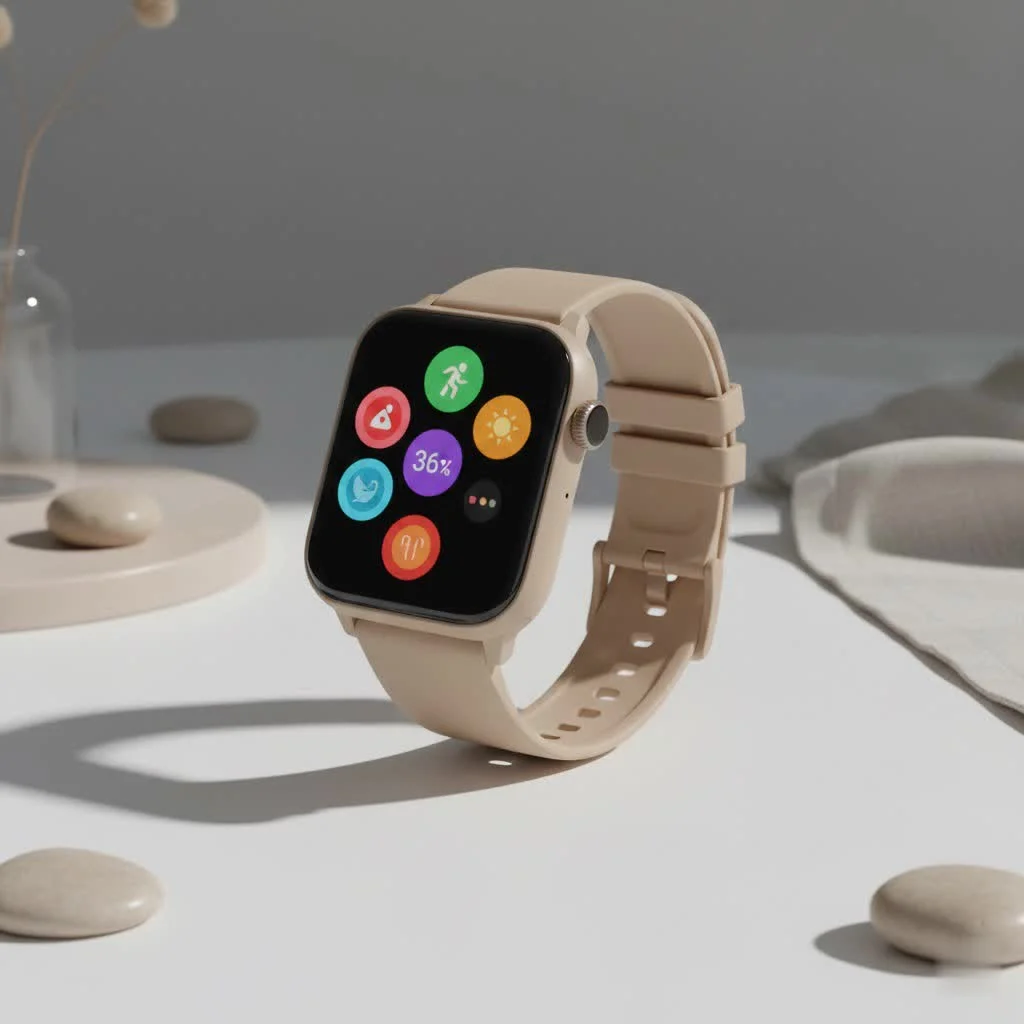
But what does “LTE” actually mean for a watch, and is it a feature you truly need? As a seasoned expert in wearable technology, I’m here to demystify the world of cellular smartwatches. We’ll explore how they work, weigh the pros and cons, and help you decide if cutting the digital cord is the right move for your lifestyle.
What Exactly is a Smart Watch with LTE?
At its core, a smart watch with LTE (Long-Term Evolution, a 4G wireless standard) is a smartwatch that can connect to a cellular network independently. Think of it as having a mini-smartphone strapped to your wrist. Unlike standard Bluetooth/GPS models that rely on being near your phone to access the internet, make calls, or send texts, an LTE watch has its own built-in cellular radio.
This is made possible through a technology called eSIM (embedded SIM). Instead of a physical, plastic SIM card, the watch has a tiny, digital SIM chip built right in. During setup, you activate a data plan with your mobile carrier, which links your watch to their network, often sharing the same number as your primary phone.
How Does LTE on a Smartwatch Actually Work?
The magic behind a smart watch LTE is the eSIM. Once you’ve activated a cellular plan for your watch (which typically involves a small monthly fee from your carrier), it can perform most of the key functions of your smartphone all on its own:
- Making and Receiving Calls: You can answer calls directly on your watch, even if your phone is miles away or turned off.
- Sending and Receiving Texts: Stay in the loop with messages and notifications without needing to check your phone.
- Streaming Music and Podcasts: Head out for a workout and stream your favorite audio directly to your Bluetooth headphones from your watch.
- Using Apps: Access apps that require an internet connection, like weather, maps for navigation, or ride-sharing services, completely independently.
- Emergency Services: Many LTE watches offer enhanced safety features like fall detection and SOS, which can automatically contact emergency services and share your location, providing crucial peace of mind.
“The shift to standalone connectivity with LTE is the most significant evolution in wearable technology since the advent of the smartwatch itself,” states Dr. Alistair Finch, a leading analyst at Wearable Tech Insights. “It transforms the device from a passive notifier into an active communication hub, fundamentally changing how users interact with their digital lives on the move.”
LTE vs. Bluetooth/GPS: What’s the Real Difference?
Choosing between an LTE model and a Bluetooth/GPS-only model is the biggest decision you’ll make. While they may look identical, their functionality differs significantly.
| Feature | Smart Watch LTE | Smart Watch Bluetooth/GPS |
|---|---|---|
| Standalone Connectivity | Yes, connects to cellular networks | No, requires a phone nearby |
| Calls & Texts (No Phone) | Yes | No |
| Music Streaming (No Phone) | Yes | No (only from stored music) |
| Initial Cost | Higher | Lower |
| Ongoing Cost | Monthly carrier fee | None |
| Battery Life | Generally shorter | Generally longer |
| Best For | Athletes, minimalists, safety-conscious users | Budget-conscious users, those who always have their phone |
The Case for Bluetooth/GPS-Only Models
|
Our Picks for the Best Smart Watch in 2026
As an Amazon Associate I earn from qualifying purchases.
|
||
| Num | Product | Action |
|---|---|---|
| 1 | Smart Watch for Men Women, 2026 Smartwatch(Answer/Make Call) , 1.91\" New Fitness Watch with 120+ Sport Modes, Fitness Tracke with Pedometer/Sleep Monitor/Heart Rate/IP68 Waterproof, for Android/iPhone |

|
| 2 | Smart Watch for Women, 1.85\" AMOLED Always-On Display Screen Smartwatch for iPhone & Android, 3ATM Waterproof Fitness Tracker with Bluetooth Call, Heart Rate/Sleep/SpO2 Monitor, 100+ Sport Modes |
|
| 3 | Smart Watch with Alexa Built-in, 1.83\" HD Touchscreen Fitness Tracker with Bluetooth Calling, Fitness Watch with Heart Rate/Sleep Monitor, 120+ Sports Modes, IP68 Waterproof Smartwatch for Android iOS |
|
| 4 | Garmin Forerunner 55, GPS Running Watch with Daily Suggested Workouts, Up to 2 Weeks of Battery Life, Black - 010-02562-00 |
|
| 5 | WHOOP 5.0/MG Activity Tracker - 12 Month Membership - Health and Fitness Wearable – 24/7 Activity and Sleep Tracker, Personalized Coaching, Menstrual Cycle Insights – 14+ Days Battery Life |
|
| 6 | Smart Watch(Answer/Make Call), 1.91\" Smartwatch for Men Women, NEW Fitness Watch with 110+ Sport Modes, Fitness Activity Tracke with Pedometer/Sleep Monitor/Heart Rate/IP68 Waterproof, for Android iOS |
|
| 7 | Smart Watch for Women Men, Smartwatch for iPhone & Android Bluetooth (Answer/Call) Built-in Alexa, 1.91\" HD Fitness Tracker with 105+ Sport Modes, IP68 Waterproof, Sleep/Heart Rate/SpO2/Stress Monitor |
|
| 8 | Amazfit Bip 6 Smart Watch 46mm, 14 Day Battery, 1.97\" AMOLED Display, GPS & Free Maps, AI, Bluetooth Call & Text, Health, Fitness & Sleep Tracker, 140+ Workout Modes, 5 ATM Water-Resistance, Black |
|
| 9 | SAMSUNG Galaxy Watch 7 40mm Bluetooth AI Smartwatch w/Energy Score, Wellness Tips, Heart Rate Tracking, Sleep Monitor, Fitness Tracker, 2024, Cream [US Version, 1Yr Manufacturer Warranty] |
|
| 10 | Amazfit Bip 6 Smart Watch 46mm, 14 Day Battery, 1.97\" AMOLED Display, GPS & Free Maps, AI, Bluetooth Call & Text, Health, Fitness & Sleep Tracker, 140+ Workout Modes, 5 ATM Water-Resistance, Black |
|
For many people, a Bluetooth smartwatch is perfectly sufficient. If you always have your smartphone with you, the extra cost of an LTE model and its monthly fee might not be justified. Bluetooth models excel at delivering notifications, tracking fitness, and controlling music on your nearby phone, all while offering superior battery life.
When LTE Becomes a Game-Changer
The true value of a smart watch LTE shines in moments where you want—or need—to leave your phone behind. It’s for the runner who wants to travel light, the swimmer who can’t take their phone in the pool, or the parent who wants to run a quick errand without being completely disconnected. It’s also an invaluable safety tool for hikers or anyone who might find themselves in an emergency without their phone.
Do You Really Need a Smart Watch with LTE?
To help you decide, ask yourself these questions. The more you answer “yes,” the more likely an LTE model is the right fit for you.
- Do you frequently exercise or engage in outdoor activities where carrying a phone is inconvenient?
- Have you ever wished you could leave your phone at home but worried about missing an important call or message?
- Is the idea of streaming music or podcasts directly from your wrist appealing?
- Are safety features, like the ability to call for help even if your phone is dead or lost, a top priority for you?
- Are you comfortable with a slightly higher initial purchase price and a recurring monthly data plan fee (typically around $10)?
- Does the idea of a “digital detox”—intentionally leaving your phone behind to reduce distractions—resonate with you?
Key Factors to Consider Before Buying an LTE Smartwatch
If you’re leaning towards an LTE model, there are a few final considerations to keep in mind:
Battery Life
Maintaining a cellular connection requires more power than a simple Bluetooth link. Consequently, LTE smartwatches generally have a shorter battery life than their Bluetooth-only counterparts, especially when used heavily for calls or streaming. Most will still last a full day, but you’ll likely need to charge it nightly.
Additional Cost
LTE-enabled smartwatches are more expensive upfront. On top of that, you’ll need to factor in the monthly fee from your cellular provider to add the watch to your plan.
Carrier Compatibility
Ensure that the smartwatch model you’re interested in is supported by your mobile carrier. While most major carriers support popular watches from brands like Apple and Samsung, it’s always best to verify compatibility before you buy.
Frequently Asked Questions (FAQ)
Can I use a smart watch LTE without a phone at all?
Yes, for most core functions like calls, texts, and using online apps, an LTE watch works independently. However, you will still need a smartphone for the initial setup, pairing, and for managing some settings and app installations.
Does an LTE smartwatch have its own phone number?
Technically, yes, the eSIM has its own number for billing purposes. However, carriers use technology that syncs it with your primary phone number. This means when someone calls your main number, both your phone and watch will ring, and any calls or texts you send from the watch will appear to come from your regular number.
How much does a smart watch LTE plan cost?
In most regions, adding a smartwatch to your existing mobile plan costs an additional $10 to $15 per month.
Does using LTE drain the smartwatch battery much faster?
Yes, actively using the LTE connection for calls, streaming, or GPS will drain the battery significantly faster than when it’s connected to your phone via Bluetooth. On standby, the impact is less dramatic but still noticeable compared to non-LTE models.
Is every smart watch LTE model compatible with all phone carriers?
No. Compatibility is crucial. Always check with both the watch manufacturer and your specific mobile carrier to ensure the device will work on their network before making a purchase.
The Final Verdict: Is It Time to Go Phone-Free?
A smart watch LTE represents the pinnacle of wearable convenience, offering true independence from your smartphone. It’s an empowering piece of technology for athletes, outdoor enthusiasts, and anyone who dreams of a lighter, more streamlined existence without sacrificing connectivity. While it comes at a premium—both in initial cost and ongoing fees—the freedom it provides can be transformative.
If you’re a user who rarely parts with your phone and you prioritize battery life and budget above all, the classic Bluetooth model remains an excellent choice. But if the scenarios we’ve described—the phone-free runs, the worry-free errands, the added layer of safety—speak to you, then embracing LTE on your wrist might just be the best tech upgrade you make all year.
Smart home that does not lock you in
Free PDF — protocol compatibility matrix for 30 hubs and devices.

I’ve been using a Samsung Galaxy Watch LTE for about six months now, and it’s mostly fantastic. The standalone capabilities are great for quick errands or when I just want to disconnect from my phone. My only minor gripe is that the battery life takes a noticeable hit when I’m using the LTE features extensively, which is something to consider if you’re out all day.
I was hesitant to switch to an LTE smartwatch, but the idea of leaving my phone at home for runs was too appealing. This guide really helped me understand how they work. I ended up getting an Apple Watch Series 9 LTE, and it’s been a game-changer for my workouts. Being able to stream music and take calls without my phone is pure freedom.
I bought a budget-friendly LTE smartwatch hoping to get that ‘phone-free freedom’ for my bike rides. While it does connect, I found the call quality to be a bit spotty sometimes, especially in less populated areas. It’s okay for emergencies, but I wouldn’t rely on it for long conversations. I guess you get what you pay for in the lower price ranges.
The explanation of what ‘LTE’ actually means for a watch was super helpful. I always thought it was just for calls, but realizing I could track my pace and listen to playlists without my phone was the selling point for me. My new Garmin Forerunner LTE has been amazing for my marathon training, keeping me connected without the bulk.