In a world where technology often feels delicate, the need for a device that can keep up with our most demanding adventures has never been greater. For years, we’ve strapped smartwatches to our wrists, only to worry about scratches, cracks, or a dead battery halfway through a hike. But what if your watch was as tough as you are? Enter the rugged smart watch, a category of wearable technology built to withstand the harshest conditions imaginable. This isn’t just a gadget; it’s an essential piece of gear designed for adventurers, outdoor professionals, and anyone who refuses to let their environment dictate their limits.
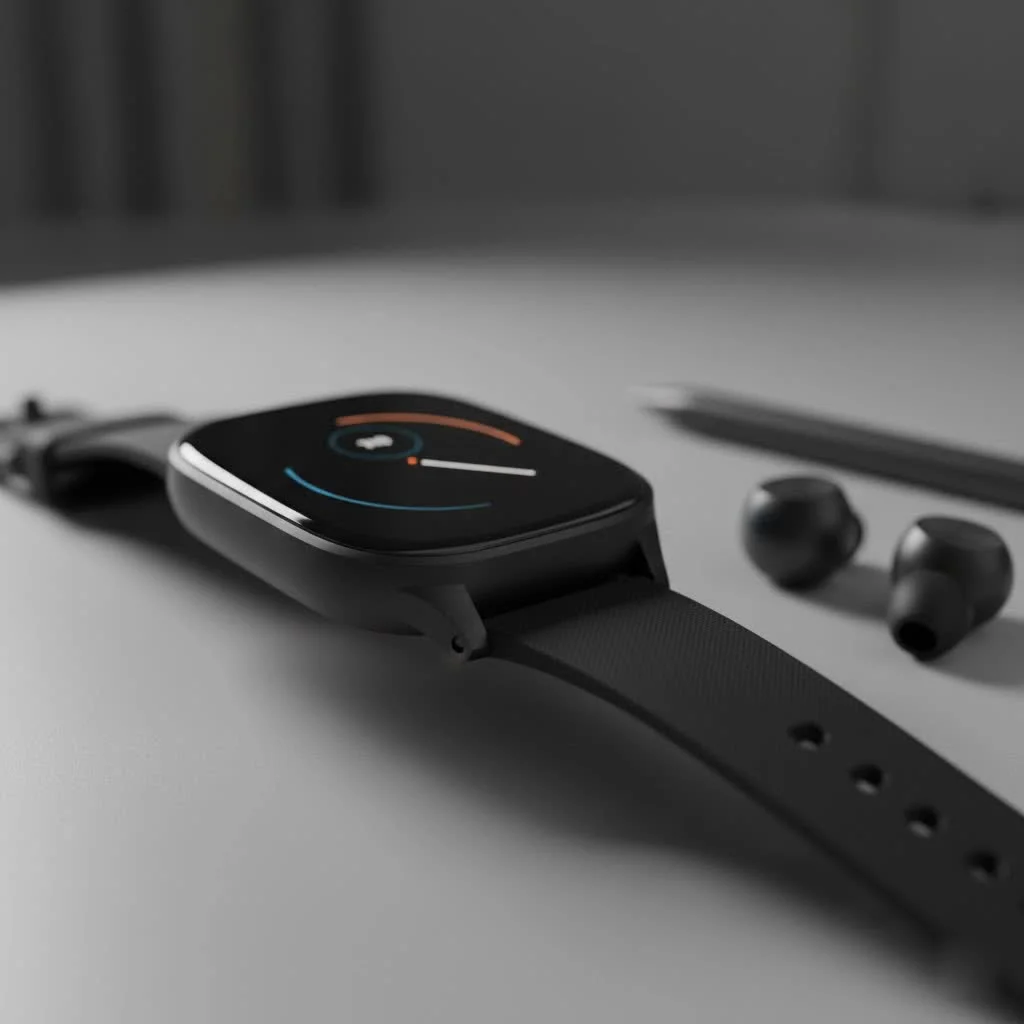
What Makes a Smartwatch Truly Rugged?
Not all smartwatches are created equal. While many claim to be “sporty” or “water-resistant,” a true rugged smart watch is engineered from the ground up for extreme durability. It’s about more than just a tough-looking exterior; it’s about certified resilience backed by military-grade standards and premium materials. For shop curated smart watches on this site.
Military-Grade Durability (MIL-STD-810G)
The gold standard for toughness is the MIL-STD-810G or the newer MIL-STD-810H rating. This is a series of tests designed by the U.S. Department of Defense to verify a product’s resilience against a wide range of environmental stressors. A watch that passes these tests can handle:
- Extreme Temperatures: Operating flawlessly in freezing cold and blistering heat.
- Shock and Vibration: Surviving drops, impacts, and the constant jarring of intense physical activity.
- Humidity and Altitude: Resisting moisture ingress and performing accurately at high elevations.
When you see a MIL-STD-810 certification, you know the device has been pushed to its limits and survived.
Water and Dust Resistance
For a rugged smart watch, basic splash-proofing isn’t enough. Look for two key ratings:
- IP Rating (Ingress Protection): An IP68 rating is the minimum you should accept. The “6” means it’s completely dust-tight, while the “8” indicates it can be submerged in water, typically deeper than 1 meter for an extended period.
- ATM Rating (Atmospheres): This rating is specific to water pressure. A 10 ATM rating means the watch can withstand pressure equivalent to 100 meters deep, making it suitable for swimming and snorkeling, but not high-impact water sports or scuba diving, where a higher rating would be needed.
Built with Tough Materials
The physical construction of a rugged smart watch is its first line of defense. Manufacturers use premium, durable materials to ensure every component is protected.
- Case: Look for cases made from fiber-reinforced polymer, titanium, or stainless steel. These materials offer an excellent strength-to-weight ratio.
- Lens: The screen is often the most vulnerable part. Top-tier models use Sapphire Crystal or Corning Gorilla Glass DX, which are highly resistant to scratches and impacts.
- Bezel: A raised bezel, often made of titanium or ceramic, provides an extra layer of protection by preventing the screen from making direct contact with flat surfaces during an impact.
As our in-house gear expert, David Sterling, a former search and rescue operative, often says, “In the field, your gear’s reliability is a lifeline. A rugged smartwatch isn’t a luxury; it’s a command center on your wrist that has to work, no matter what. Battery life, GPS accuracy, and durability aren’t just features—they are mission-critical.”
Essential Features of a Top-Tier Rugged Smart Watch
Beyond its tough exterior, a rugged smart watch is packed with specialized features that make it an indispensable tool for outdoor and demanding activities.
Unrivaled Battery Life
|
Our Picks for the Best Smart Watch in 2026
As an Amazon Associate I earn from qualifying purchases.
|
||
| Num | Product | Action |
|---|---|---|
| 1 | Smart Watch(Answer/Make Call), 1.91\" Smartwatch for Men Women, NEW Fitness Watch with 110+ Sport Modes, Fitness Activity Tracke with Pedometer/Sleep Monitor/Heart Rate/IP68 Waterproof, for Android iOS |

|
| 2 | WHOOP 5.0/MG Activity Tracker - 12 Month Membership - Health and Fitness Wearable – 24/7 Activity and Sleep Tracker, Personalized Coaching, Menstrual Cycle Insights – 14+ Days Battery Life |
|
| 3 | Amazfit Bip 6 Smart Watch 46mm, 14 Day Battery, 1.97\" AMOLED Display, GPS & Free Maps, AI, Bluetooth Call & Text, Health, Fitness & Sleep Tracker, 140+ Workout Modes, 5 ATM Water-Resistance, Black |
|
| 4 | SAMSUNG Galaxy Watch 7 40mm Bluetooth AI Smartwatch w/Energy Score, Wellness Tips, Heart Rate Tracking, Sleep Monitor, Fitness Tracker, 2024, Cream [US Version, 1Yr Manufacturer Warranty] |
|
| 5 | Smart Watch with Alexa Built-in, 1.83\" HD Touchscreen Fitness Tracker with Bluetooth Calling, Fitness Watch with Heart Rate/Sleep Monitor, 120+ Sports Modes, IP68 Waterproof Smartwatch for Android iOS |
|
| 6 | Smart Watch for Men Women, 2026 Smartwatch(Answer/Make Call) , 1.91\" New Fitness Watch with 120+ Sport Modes, Fitness Tracke with Pedometer/Sleep Monitor/Heart Rate/IP68 Waterproof, for Android/iPhone |
|
| 7 | Garmin Forerunner 55, GPS Running Watch with Daily Suggested Workouts, Up to 2 Weeks of Battery Life, Black - 010-02562-00 |
|
| 8 | Amazfit Bip 6 Smart Watch 46mm, 14 Day Battery, 1.97\" AMOLED Display, GPS & Free Maps, AI, Bluetooth Call & Text, Health, Fitness & Sleep Tracker, 140+ Workout Modes, 5 ATM Water-Resistance, Black |
|
| 9 | Smart Watch for Women, 1.85\" AMOLED Always-On Display Screen Smartwatch for iPhone & Android, 3ATM Waterproof Fitness Tracker with Bluetooth Call, Heart Rate/Sleep/SpO2 Monitor, 100+ Sport Modes |
|
| 10 | Smart Watch for Women Men, Smartwatch for iPhone & Android Bluetooth (Answer/Call) Built-in Alexa, 1.91\" HD Fitness Tracker with 105+ Sport Modes, IP68 Waterproof, Sleep/Heart Rate/SpO2/Stress Monitor |
|
This is arguably the most critical feature. A watch that dies on a multi-day trek is useless. Leading rugged models offer incredible battery performance, often measured in days or even weeks, not hours. They achieve this through efficient processors and multiple power modes. For example, a watch might last 14 days in smartwatch mode but can be extended to over 40 days in a battery-saver or expedition mode. When evaluating battery life, always check the specs for GPS-active mode, as this is the most power-intensive function.
Advanced GPS and Navigation
For anyone who ventures off the beaten path, reliable navigation is non-negotiable. A superior rugged smart watch offers:
- Multi-GNSS Support: The ability to access multiple satellite systems (GPS, GLONASS, Galileo) simultaneously provides a faster, more accurate position lock, especially in challenging environments like deep canyons or dense forests.
- ABC Sensors: An Altimeter (for elevation data), Barometer (to track weather changes by monitoring air pressure), and Compass (for orientation) are essential for situational awareness.
- Onboard Maps: Some high-end models come with pre-loaded topographic maps, allowing you to navigate without relying on a paired smartphone.
Comprehensive Health and Fitness Tracking
A rugged smart watch is also a powerful fitness companion. It tracks everything your standard smartwatch does, but often with enhanced sensors and algorithms tailored for endurance sports and outdoor activities. Key features include:
- Advanced Heart Rate Monitoring: Tracking your heart rate 24/7, including during swims.
- Pulse Oximeter (SpO2): Measures blood oxygen saturation, a crucial metric for acclimatizing to high altitudes.
- VO2 Max: Estimates your cardiovascular fitness and how it’s adapting to heat and altitude.
- Dedicated Activity Profiles: Pre-loaded profiles for everything from trail running and mountain biking to kayaking and skiing.
A Display You Can Read Anywhere
A bright, high-resolution screen is useless if you can’t see it in direct sunlight. Most rugged smartwatches use a transflective memory-in-pixel (MIP) display. This technology uses sunlight to illuminate the screen, making it more readable in bright conditions while consuming very little power.
Who Really Needs a Rugged Smart Watch?
While anyone can appreciate a more durable device, these watches are specifically designed for certain lifestyles and professions.
- Hikers, Mountaineers, and Trail Runners: For these users, the long battery life, advanced navigation tools, and weather tracking are invaluable safety features.
- First Responders and Military Personnel: The extreme durability, tactical features, and reliability in harsh conditions make it an essential piece of professional gear.
- Construction Workers and Field Technicians: For those working in demanding environments, a watch that can withstand drops, dust, and impacts is a practical necessity.
- Water Sports Enthusiasts: Swimmers, surfers, and kayakers benefit from high ATM ratings and dedicated water-based activity profiles.
Frequently Asked Questions
Q: Are rugged smartwatches heavy and bulky?
A: While they are generally larger than typical smartwatches to accommodate bigger batteries and protective casings, manufacturers use lightweight materials like titanium and polymer to keep them comfortable for all-day wear. Many users find the trade-off for durability and battery life well worth it.
Q: Can I use a rugged smart watch for everyday use?
A: Absolutely. Despite their tough build, these watches have all the features you’d expect from a premium smartwatch, including smartphone notifications, contactless payments, and music storage. They are designed to be a versatile, all-in-one device.
Q: Is a rugged smart watch worth the higher price?
A: If your lifestyle or profession regularly puts your gear at risk, the investment is often justified. The cost of replacing or repairing a standard smartwatch multiple times can easily exceed the one-time purchase of a durable, purpose-built rugged model that will last for years.
Q: How does the screen on a rugged smart watch compare to an AMOLED display?
A: Rugged models typically use MIP displays instead of the vibrant AMOLED screens found on many lifestyle watches. While an MIP screen is not as colorful, its main advantages are extreme power efficiency and superior visibility in direct sunlight, which are more critical for outdoor use.
Q: Do I need all the advanced navigation features?
A: It depends on your activities. If you primarily stick to well-marked trails or city environments, you may not need topographic maps or multi-band GNSS. However, for anyone exploring remote areas, these features can be a crucial safety tool.
The Final Verdict
The rugged smart watch has carved out a vital niche in the world of wearables. It represents a shift from fragile technology to robust, reliable tools designed to empower, not encumber. Whether you’re climbing a mountain, navigating a dense forest, or working on a demanding job site, these devices provide the peace of mind that your most important data—your location, your health metrics, and your connection to the world—is safe on your wrist. If you live a life that pushes boundaries, it’s time to wear a watch that can keep up.
Smart home that does not lock you in
Free PDF — protocol compatibility matrix for 30 hubs and devices.
I appreciate the breakdown of what makes a smartwatch durable. I work in construction, and my previous smartwatches never lasted more than a few months before getting scratched or cracked. I ended up getting a Casio G-Shock Move, and it’s been fantastic. It’s a bit bulkier than I’m used to, but the peace of mind knowing it can handle the daily abuse is worth it. The step tracking is also surprisingly accurate.
I was excited about the idea of an indestructible tech piece, especially for my kayaking trips. I got one of the mid-range options mentioned, and while it’s definitely tough, I found the screen visibility in direct sunlight to be a bit of a letdown. It’s not terrible, but I sometimes have to shade it to see notifications clearly. Battery life is good though, and it’s survived a few accidental dips in the lake.
I’ve been looking for a smartwatch that can actually keep up with my trail running and mountain biking. This guide really helped me understand what ‘truly rugged’ means beyond just water resistance. My new Garmin Instinct 2 Solar has been a game-changer; the battery life is insane, and I don’t worry about it getting banged up on the trails anymore. Definitely worth the investment for outdoor enthusiasts.
As an avid hiker, I needed something that could withstand drops and extreme temperatures. The emphasis on military-grade standards in the article really resonated with me. I went with a Coros Vertix 2, and it’s been flawless. The GPS accuracy is top-notch, and I’ve put it through some serious paces without a single issue. It’s truly built for adventure.