The ideal smart watch price varies significantly, ranging from under $150 for basic models to over $400 for premium devices, depending on features like brand, build materials, advanced health sensors, display technology, software ecosystem, and connectivity. For instance, a budget watch under $150 typically offers basic fitness tracking and notifications, while a premium model over $400 includes advanced ECG and SpO2 sensors, titanium casing, and cellular connectivity. Understanding these factors helps consumers select a device that aligns with their budget and lifestyle needs.
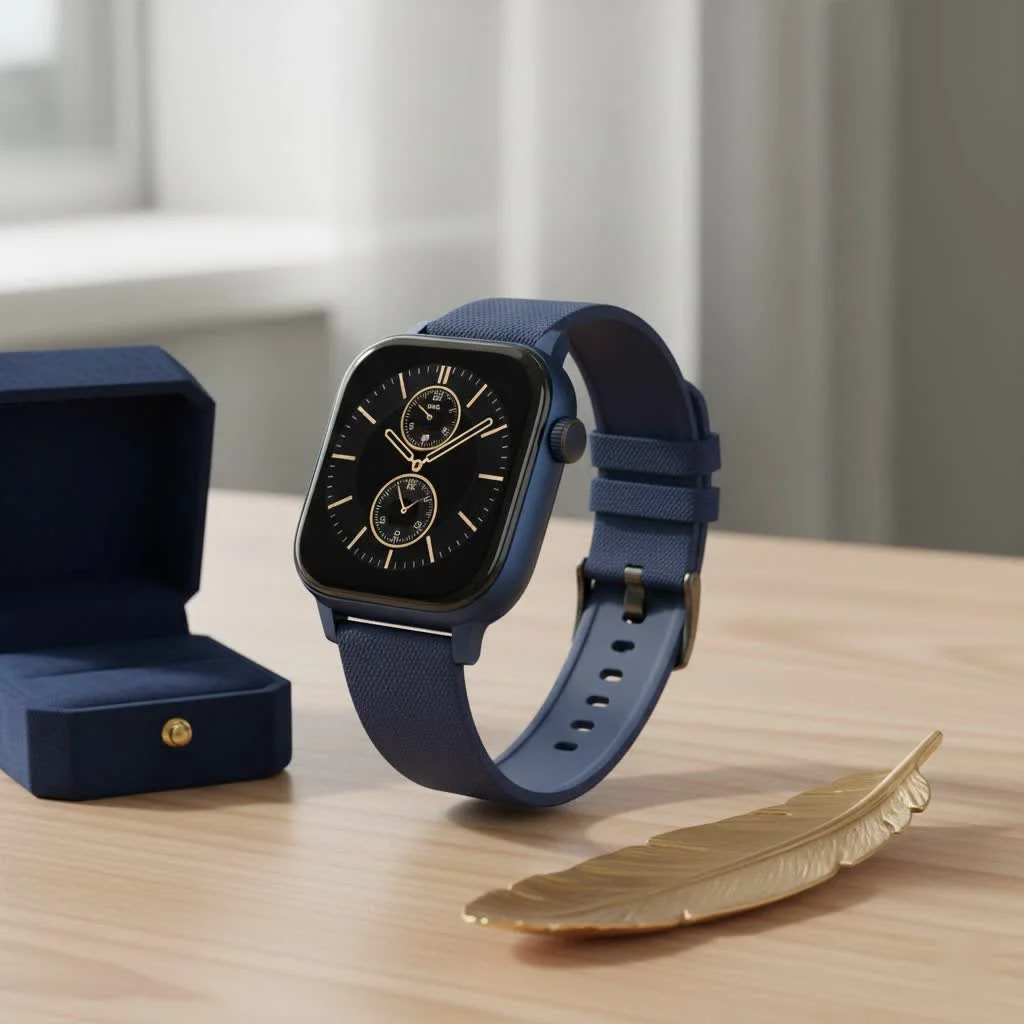
What Factors Determine a Smart Watch’s Price Tag?
Before we dive into price tiers, it’s helpful to know why one watch costs $70 and another costs $700. Several key elements contribute to the final price, and understanding them helps you see the value you’re getting at each level.
- Brand Reputation: Established brands like Apple, Samsung, and Garmin invest heavily in research, development, and marketing. This brand recognition and trust come with a premium price.
- Build Materials and Design: A major price differentiator is the physical construction of the watch. Budget models typically use plastic casings and standard glass, while premium watches feature high-end materials like stainless steel, lightweight titanium, and scratch-resistant sapphire crystal displays.
- Advanced Health Sensors: The number and sophistication of health sensors directly impact the price. Basic trackers monitor steps and heart rate. More expensive models include advanced sensors for ECG (electrocardiogram), blood oxygen (SpO2) tracking, skin temperature, and even fall detection.
- Display Technology: The screen is your main interaction point. Premium and mid-range watches almost universally use bright, vibrant, and power-efficient AMOLED or OLED screens. Some budget-friendly options may use less expensive LCD technology to keep costs down.
- Software and App Ecosystem: The operating system is the watch’s brain. Apple’s watchOS and Google’s Wear OS offer seamless integration, vast third-party app stores, and features like contactless payments and music storage. Many budget watches run on simpler, proprietary software with limited app support.
- Connectivity: A GPS-only model, which relies on your phone for an internet connection when out of Wi-Fi range, is the standard. Models with built-in cellular (LTE) capabilities, allowing you to make calls and stream music without your phone nearby, always cost significantly more.
The Smart Watch Price Spectrum: From Budget to Premium
Smartwatches can be broken down into three main price categories. Here’s what you can expect to find in each.
The Budget-Friendly Zone: Under $150
This entry-level category has become incredibly competitive, offering more features than ever before. These watches are perfect for people who want to track basic fitness metrics, receive notifications, and not have to worry about charging their device every single night.
- What You Get: Expect core features like step counting, all-day heart rate monitoring, sleep tracking, and smartphone notifications. The biggest advantage is often battery life, with many models lasting a week or more on a single charge.
- What You Don’t: You’ll typically miss out on advanced health sensors like ECG, a robust third-party app store, contactless payments, and premium build materials.
- Key Brands: Amazfit, CMF (from Nothing), and Xiaomi are leaders in this space, offering stylish and functional devices that cover the essentials.
- Best For: Beginners, users focused on basic activity tracking, or anyone who values long battery life above all else.
The Mid-Range Sweet Spot: $150 – $400
|
Our Picks for the Best Smart Watch in 2026
As an Amazon Associate I earn from qualifying purchases.
|
||
| Num | Product | Action |
|---|---|---|
| 1 | Smart Watch for Women, 1.85\" AMOLED Always-On Display Screen Smartwatch for iPhone & Android, 3ATM Waterproof Fitness Tracker with Bluetooth Call, Heart Rate/Sleep/SpO2 Monitor, 100+ Sport Modes |

|
| 2 | Garmin Forerunner 55, GPS Running Watch with Daily Suggested Workouts, Up to 2 Weeks of Battery Life, Black - 010-02562-00 |
|
| 3 | WHOOP 5.0/MG Activity Tracker - 12 Month Membership - Health and Fitness Wearable – 24/7 Activity and Sleep Tracker, Personalized Coaching, Menstrual Cycle Insights – 14+ Days Battery Life |
|
| 4 | Amazfit Bip 6 Smart Watch 46mm, 14 Day Battery, 1.97\" AMOLED Display, GPS & Free Maps, AI, Bluetooth Call & Text, Health, Fitness & Sleep Tracker, 140+ Workout Modes, 5 ATM Water-Resistance, Black |
|
| 5 | Amazfit Bip 6 Smart Watch 46mm, 14 Day Battery, 1.97\" AMOLED Display, GPS & Free Maps, AI, Bluetooth Call & Text, Health, Fitness & Sleep Tracker, 140+ Workout Modes, 5 ATM Water-Resistance, Black |
|
| 6 | Smart Watch(Answer/Make Call), 1.91\" Smartwatch for Men Women, NEW Fitness Watch with 110+ Sport Modes, Fitness Activity Tracke with Pedometer/Sleep Monitor/Heart Rate/IP68 Waterproof, for Android iOS |
|
| 7 | SAMSUNG Galaxy Watch 7 40mm Bluetooth AI Smartwatch w/Energy Score, Wellness Tips, Heart Rate Tracking, Sleep Monitor, Fitness Tracker, 2024, Cream [US Version, 1Yr Manufacturer Warranty] |
|
| 8 | Smart Watch with Alexa Built-in, 1.83\" HD Touchscreen Fitness Tracker with Bluetooth Calling, Fitness Watch with Heart Rate/Sleep Monitor, 120+ Sports Modes, IP68 Waterproof Smartwatch for Android iOS |
|
| 9 | Smart Watch for Men Women, 2026 Smartwatch(Answer/Make Call) , 1.91\" New Fitness Watch with 120+ Sport Modes, Fitness Tracke with Pedometer/Sleep Monitor/Heart Rate/IP68 Waterproof, for Android/iPhone |
|
| 10 | Smart Watch for Women Men, Smartwatch for iPhone & Android Bluetooth (Answer/Call) Built-in Alexa, 1.91\" HD Fitness Tracker with 105+ Sport Modes, IP68 Waterproof, Sleep/Heart Rate/SpO2/Stress Monitor |
|
For most people, the mid-range is the perfect intersection of price and performance. In this tier, you get a polished, feature-rich experience without venturing into the high-end premium territory. The build quality improves, the software is more refined, and the health tracking becomes more serious.
- What You Get: This is where you’ll find brilliant AMOLED displays, GPS for accurate run tracking, and more advanced health features, sometimes including ECG and blood oxygen monitoring. App ecosystems are more robust, and features like contactless payments and onboard music storage become standard.
- What You Don’t: While excellent, they may not have the most cutting-edge processors or the ultra-premium materials like titanium found in the top-tier models.
- Key Models: This category includes heavy hitters like the Apple Watch SE, the Samsung Galaxy Watch series, the Google Pixel Watch, and various models from Fitbit and Garmin.
- Best For: The average user who wants a reliable, versatile smartwatch that excels at fitness tracking, smart features, and everyday use.
The Premium Experience: $400+
This is the flagship category where brands showcase their best technology. These watches are crafted from the finest materials, packed with every conceivable health sensor, and offer the most seamless integration with their respective smartphone ecosystems.
- What You Get: Everything. Expect top-of-the-line processors, the most accurate sensor arrays (ECG, SpO2, temperature), premium materials like titanium and sapphire glass, and cellular connectivity options. The software experience is incredibly smooth and deeply integrated.
- What You Don’t: The only real downside is battery life, which often requires a nightly charge due to the powerful features and always-on displays.
- Key Models: The Apple Watch Series and Apple Watch Ultra, high-end Samsung Galaxy Watch Pro models, and specialized sport watches from Garmin’s Fenix and Forerunner lines dominate this space.
- Best For: Tech enthusiasts, serious athletes who require detailed performance metrics, and users who want the absolute best-in-class product with no compromises.
Is a More Expensive Smart Watch Worth the Price?
The answer truly depends on your needs. For a casual user, a $100 smartwatch that tracks steps and shows notifications provides tremendous value. However, for someone training for a marathon or closely monitoring a heart condition, the precision and advanced metrics of a premium watch are indispensable.
“The value of a smartwatch is measured by how well it fits into your personal routine,” notes Dr. Adrian Croft, a wearable technology analyst. “A premium device is only ‘worth it’ if you consistently use the premium features. For many, a mid-range watch offers 90% of the experience for 50% of the price, making it the smartest investment.”
Consider this simple breakdown:
| Feature | Budget (Under $150) | Mid-Range ($150-$400) | Premium ($400+) |
|---|---|---|---|
| Build Materials | Plastic, Aluminum | Aluminum, Stainless Steel | Stainless Steel, Titanium |
| Health Sensors | Basic HR, Sleep | ECG, SpO2, GPS | Advanced ECG, SpO2, Temp |
| App Ecosystem | Limited / None | Good (Wear OS, watchOS) | Excellent |
| Battery Life | Excellent (5-14 days) | Fair (1-3 days) | Good (1-2 days, specialized up to 30) |
| Connectivity | GPS (via phone) | Onboard GPS | Onboard GPS + Cellular Option |
How Much Should You Spend on a Smartwatch?
To find your ideal price point, ask yourself what you truly need the watch for.
- For basic notifications and fitness tracking: A budget watch under $150 will serve you perfectly well.
- For a great all-around experience with solid health features: Aim for the mid-range sweet spot between $200 and $400.
- For professional-grade athletic tracking or the latest tech: Be prepared to invest $400 or more for a premium device.
Frequently Asked Questions (FAQ)
What is a reasonable price for a smartwatch?
A reasonable price for most people is between $200 and $400. This range offers the best balance of advanced features, build quality, and performance without the premium cost of flagship models.
Can I get a good smartwatch for under $100?
Absolutely. Brands like Amazfit and Xiaomi offer excellent smartwatches under $100 that provide reliable fitness tracking, notifications, and incredible battery life. They are perfect for beginners or users with basic needs.
Why are Apple Watches so expensive?
Apple Watch prices reflect their high-quality materials, advanced health sensors, extensive research and development, and the deeply integrated watchOS software, which features a vast app store and seamless connectivity with the Apple ecosystem.
Do I need cellular connectivity on my smartwatch?
For most people, no. Cellular models allow you to take calls, stream music, and use apps without your phone nearby. This is a great feature for runners or anyone who wants to leave their phone behind, but it comes with a higher upfront cost and a monthly fee from your carrier.
How do prices for Android and Apple smartwatches compare?
The pricing structures are quite similar. Both ecosystems offer a more budget-friendly option (Apple Watch SE, Samsung Galaxy Watch FE), flagship models in the $400+ range, and ultra-premium versions. Android has a much wider variety of brands in the sub-$200 category.
Your Perfect Price is Personal
Ultimately, there is no single “best” smart watch price. The right amount to spend is entirely dependent on your personal needs, your health goals, and your budget. The fantastic news is that the market in 2025 is more diverse than ever. From powerful budget options that punch well above their weight to premium models that are true technological marvels, the perfect wearable for you is out there. By evaluating what features matter most, you can confidently choose a device that enhances your life without breaking the bank.
Frequently Asked Questions
What is a reasonable price for a smartwatch?
A reasonable price for most people is between $200 and $400. This range offers the best balance of advanced features, build quality, and performance without the premium cost of flagship models, making it suitable for the average user.
Can I get a good smartwatch for under $100?
Absolutely. Brands like Amazfit and Xiaomi offer excellent smartwatches under $100 that provide reliable fitness tracking, notifications, and incredible battery life, often lasting a week or more. These are perfect for beginners or users with basic needs.
Why are Apple Watches so expensive?
Apple Watch prices reflect their high-quality materials, advanced health sensors (like ECG and SpO2), extensive research and development, and the deeply integrated watchOS software. This ecosystem features a vast app store and seamless connectivity with other Apple devices.
Do I need cellular connectivity on my smartwatch?
For most people, no. Cellular models allow you to take calls, stream music, and use apps without your phone nearby, which is ideal for runners. However, this feature comes with a higher upfront cost and a monthly fee from your carrier.
How do prices for Android and Apple smartwatches compare?
The pricing structures are quite similar across both ecosystems. Both offer budget-friendly options (e.g., Apple Watch SE, Samsung Galaxy Watch FE), flagship models in the $400+ range, and ultra-premium versions. Android, however, has a much wider variety of brands in the sub-$200 category.
Smart home that does not lock you in
Free PDF — protocol compatibility matrix for 30 hubs and devices.

This was super helpful in clarifying the differences between budget and premium smart watches. I always wondered why some had titanium casing and others didn’t. It made me realize that for my needs, a watch with advanced ECG and SpO2 sensors wasn’t a must-have, saving me a lot of money. I’m happy with my choice now that I understand the value proposition better.
I was really struggling to decide on a smart watch because the prices are all over the place. This guide helped me understand why some are under $150 and others are way more. I ended up going with a mid-range option that has pretty good health sensors, and it’s been perfect for my daily runs and keeping track of my sleep. Definitely worth the investment for the peace of mind.
I’ve been wanting a smart watch for ages but felt overwhelmed by the options and prices. The explanation about brand reputation and display technology really helped me narrow down my choices. I ended up getting a model that fits my lifestyle perfectly, and I didn’t have to break the bank. It’s great to finally have a device that tracks my fitness and keeps me connected.
I appreciate the breakdown of features by price point. I was hoping to find a premium model with cellular connectivity for under $300, but it seems those advanced features really push the price up. My current watch is fine for basic notifications, but I’m a bit disappointed that I’ll have to save up more for the cellular option I really wanted.