The best smart watch for fitness in 2025 depends on individual needs, with the Garmin Venu 4 excelling as the best overall choice due to its 11-day battery life, comprehensive health tracking, and versatile design. Other top contenders include the Apple Watch Series 11 for iPhone users, the Garmin Fenix 8 Solar for hardcore athletes, the Fitbit Charge 6 for simplicity, and the Coros Pace 4 for runners seeking value.
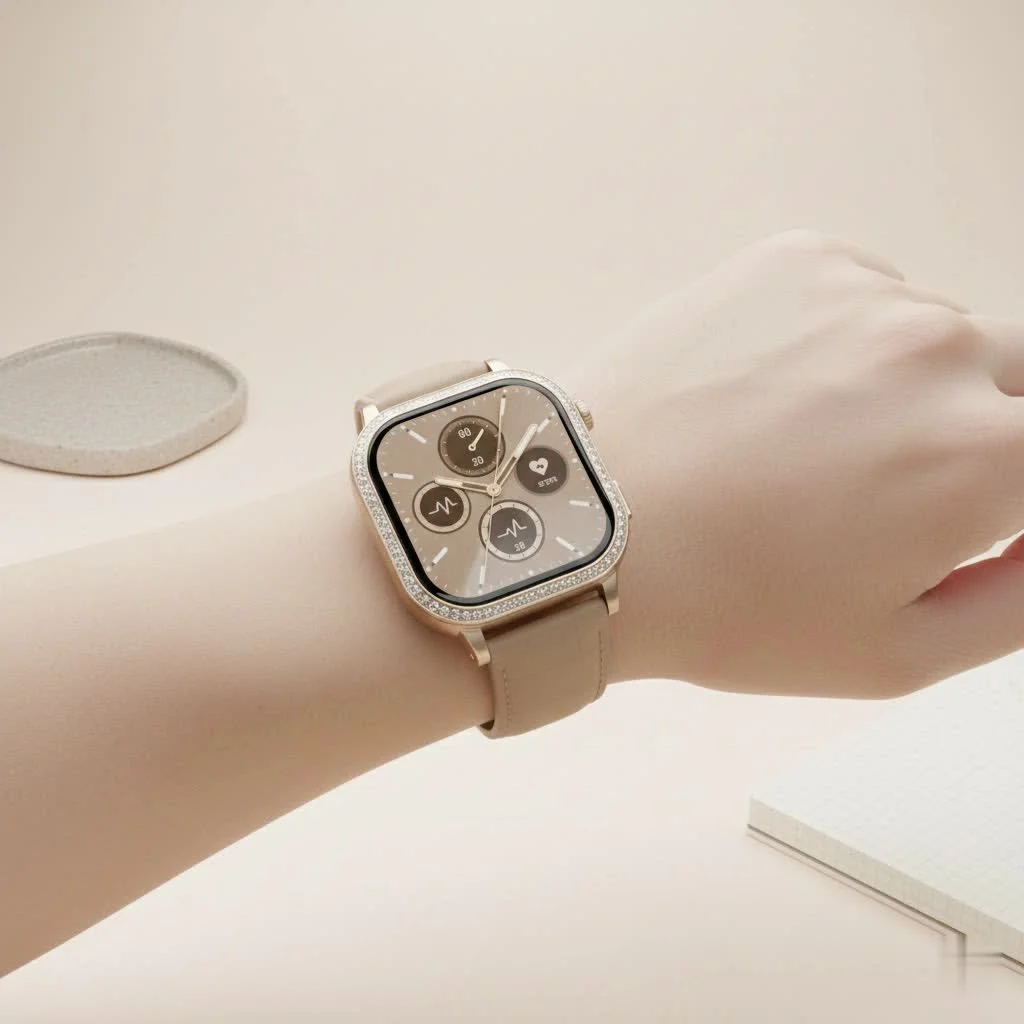
This guide is designed to cut through the noise. We’ve spent countless hours testing, comparing, and analyzing the top contenders of 2025 to help you make an informed decision. We’ll break down what really matters in a fitness watch and crown the champions for every type of user and budget. For complete smart watches library on this site.
How to Choose the Best Smart Watch for Your Fitness Goals
Before diving into our top picks, it’s crucial to understand what features separate a great fitness watch from a mediocre one. Focusing on these key areas will ensure you get a device that serves your needs.
Key Considerations:
- Tracking Accuracy: The core of any fitness watch is its sensors. Look for reliable GPS for tracking runs and bike rides, and a highly accurate heart rate monitor. Advanced sensors like SpO2 (blood oxygen) and ECG (electrocardiogram) are excellent for a more holistic health overview.
- Battery Life: Your watch is useless if it’s dead. Consider your routine. Are you a multi-day hiker who needs a watch to last a week, or do you mind charging your device daily? Battery life can range from 24 hours to several weeks, so this is a critical factor.
- Dedicated Sports Modes: A good fitness watch should have specific tracking modes for your preferred activities, whether it’s running, swimming, weightlifting, or yoga. These modes provide relevant metrics tailored to that specific workout.
- Ecosystem and Smart Features: How well does the watch integrate with your smartphone? For iPhone users, an Apple Watch offers seamless connectivity, while Samsung Galaxy Watches are a natural fit for Android users. Consider app availability, mobile payments, and music storage.
- Durability and Design: Your fitness partner needs to withstand your workouts. Look for water resistance ratings suitable for swimming and durable materials like Gorilla Glass or sapphire crystal. The design should also be comfortable for all-day wear and sleep tracking.
Our Top Picks for the Best Fitness Smartwatches of 2025
After rigorous testing, we’ve identified the standout devices that excel in performance, features, and value.
Garmin Venu 4: Best Overall Fitness Smartwatch
The Garmin Venu 4 strikes the perfect balance between a high-performance fitness tracker and a stylish, everyday smartwatch. It doesn’t scream “athlete” in its design, but under the hood, it’s packed with Garmin’s industry-leading tracking technology.
With a stunning AMOLED display, the Venu 4 makes your stats pop. It offers over 30 built-in sports apps, animated on-screen workouts, and detailed sleep and recovery insights through its Body Battery feature. The battery life is a huge advantage, lasting up to 11 days in smartwatch mode, meaning you spend more time tracking and less time charging.
- Who It’s For: The fitness enthusiast who wants a versatile watch that looks as good in the gym as it does in the office, without compromising on serious tracking metrics.
- Pros:
- Excellent battery life
- Bright, beautiful AMOLED screen
- Comprehensive health and wellness tracking
- Compatible with both iOS and Android
- Cons:
- The app store is not as extensive as Apple’s or Google’s
- Lacks some of the most advanced metrics found on high-end Forerunner or Fenix models
Apple Watch Series 11: Best for iPhone Users
|
Our Picks for the Best Smart Watch in 2026
As an Amazon Associate I earn from qualifying purchases.
|
||
| Num | Product | Action |
|---|---|---|
| 1 | Amazfit Bip 6 Smart Watch 46mm, 14 Day Battery, 1.97\" AMOLED Display, GPS & Free Maps, AI, Bluetooth Call & Text, Health, Fitness & Sleep Tracker, 140+ Workout Modes, 5 ATM Water-Resistance, Black |

|
| 2 | Smart Watch for Women, 1.85\" AMOLED Always-On Display Screen Smartwatch for iPhone & Android, 3ATM Waterproof Fitness Tracker with Bluetooth Call, Heart Rate/Sleep/SpO2 Monitor, 100+ Sport Modes |
|
| 3 | Amazfit Bip 6 Smart Watch 46mm, 14 Day Battery, 1.97\" AMOLED Display, GPS & Free Maps, AI, Bluetooth Call & Text, Health, Fitness & Sleep Tracker, 140+ Workout Modes, 5 ATM Water-Resistance, Black |
|
| 4 | Garmin Forerunner 55, GPS Running Watch with Daily Suggested Workouts, Up to 2 Weeks of Battery Life, Black - 010-02562-00 |
|
| 5 | Smart Watch for Women Men, Smartwatch for iPhone & Android Bluetooth (Answer/Call) Built-in Alexa, 1.91\" HD Fitness Tracker with 105+ Sport Modes, IP68 Waterproof, Sleep/Heart Rate/SpO2/Stress Monitor |
|
| 6 | WHOOP 5.0/MG Activity Tracker - 12 Month Membership - Health and Fitness Wearable – 24/7 Activity and Sleep Tracker, Personalized Coaching, Menstrual Cycle Insights – 14+ Days Battery Life |
|
| 7 | Smart Watch(Answer/Make Call), 1.91\" Smartwatch for Men Women, NEW Fitness Watch with 110+ Sport Modes, Fitness Activity Tracke with Pedometer/Sleep Monitor/Heart Rate/IP68 Waterproof, for Android iOS |
|
| 8 | Smart Watch for Men Women, 2026 Smartwatch(Answer/Make Call) , 1.91\" New Fitness Watch with 120+ Sport Modes, Fitness Tracke with Pedometer/Sleep Monitor/Heart Rate/IP68 Waterproof, for Android/iPhone |
|
| 9 | Smart Watch with Alexa Built-in, 1.83\" HD Touchscreen Fitness Tracker with Bluetooth Calling, Fitness Watch with Heart Rate/Sleep Monitor, 120+ Sports Modes, IP68 Waterproof Smartwatch for Android iOS |
|
| 10 | SAMSUNG Galaxy Watch 7 40mm Bluetooth AI Smartwatch w/Energy Score, Wellness Tips, Heart Rate Tracking, Sleep Monitor, Fitness Tracker, 2024, Cream [US Version, 1Yr Manufacturer Warranty] |
|
For those embedded in the Apple ecosystem, the Apple Watch Series 11 is the undisputed champion. Its integration with the iPhone is flawless, creating a user experience that no other brand can replicate. The watch is a powerful health and fitness tool, equipped with an incredibly accurate heart rate sensor, ECG and blood oxygen apps, and advanced fall detection.
The watchOS platform offers a vast library of third-party fitness apps, from Strava to Nike Run Club, allowing for deep customization of your fitness journey. The iconic Activity Rings are a simple yet powerful motivator to move, exercise, and stand throughout the day. While battery life still requires daily charging, its fast-charging capabilities minimize downtime.
- Who It’s For: iPhone owners who want the most seamless, powerful, and user-friendly smartwatch experience for health and fitness tracking.
- Pros:
- Unmatched integration with iOS
- Top-tier health sensors and features
- Huge selection of third-party apps
- Sleek, premium design
- Cons:
- Requires daily charging
- Only compatible with iPhone
Garmin Fenix 8 Solar: Best for Hardcore Athletes
When your workouts involve scaling mountains or running ultramarathons, you need a tool, not a toy. The Garmin Fenix 8 Solar is that tool. Built to military standards for durability, it’s designed to withstand the most extreme environments.
Its standout feature is the Power Glass solar charging lens, which extends its already incredible battery life. The Fenix 8 offers an exhaustive list of performance metrics, including VO2 max, training load, real-time stamina, and recovery time advisor. It also features multi-band GPS for superior accuracy in challenging environments and preloaded topographical maps for navigation.
- Who It’s For: Serious athletes, trail runners, hikers, and outdoor adventurers who demand the best in durability, battery life, and advanced performance data.
- Pros:
- Exceptional battery life with solar charging
- Incredibly rugged and durable build
- Most advanced suite of training and recovery metrics available
- Superior GPS accuracy and mapping
- Cons:
- Bulky and heavy for smaller wrists
- High price point
Fitbit Charge 6: Best for Simplicity and Health Tracking
Sometimes, less is more. The Fitbit Charge 6 proves that you don’t need a bulky, complex smartwatch to get a handle on your health. As a sleek fitness tracker, it excels at the fundamentals: accurate heart rate tracking, automatic workout detection, and industry-leading sleep analysis.
The Charge 6 reintroduces a physical side button for easier navigation and integrates with Google apps like Maps and Wallet. Its 7-day battery life means you can wear it 24/7 to get a complete picture of your health. It’s the perfect device for those who want actionable insights without being overwhelmed by data.
- Who It’s For: Individuals focused on general health, wellness, and sleep quality who prefer a minimalist, easy-to-use device.
- Pros:
- Slim, comfortable design
- Excellent sleep tracking and health insights
- Long battery life (up to 7 days)
- Affordable price point
- Cons:
- Small screen isn’t ideal for smart features
- Lacks onboard GPS (relies on phone’s GPS)
Coros Pace 4: Best Value for Runners
Coros has quickly made a name for itself among serious runners, and the Pace 4 solidifies that reputation. It offers premium running features at a shockingly accessible price. The watch is incredibly lightweight, making it virtually unnoticeable on your wrist during a run.
Despite its price, it boasts a battery life that can last up to 30 days in regular use or 38 hours in continuous GPS mode. It provides core running metrics, track run mode for perfect 400m splits, and a simple, no-fuss interface that focuses purely on performance.
- Who It’s For: Runners of all levels, from 5K beginners to marathon veterans, who want a dedicated, lightweight running watch with phenomenal battery life without breaking the bank.
- Pros:
- Incredible battery life for its size and price
- Extremely lightweight and comfortable
- Accurate GPS and heart rate data
- Unbeatable value for the features offered
- Cons:
- Limited smart features compared to competitors
- Basic design may not appeal to everyone
Frequently Asked Questions (FAQ)
What’s the difference between a smartwatch and a fitness tracker? A fitness tracker, like the Fitbit Charge 6, primarily focuses on health and activity monitoring with limited smart features. A smartwatch, such as the Apple Watch or Garmin Venu, offers a full-fledged operating system with apps, notifications, and more, in addition to robust fitness tracking.
How accurate is wrist-based heart rate? Wrist-based optical heart rate sensors are very accurate for most activities, especially steady-state cardio. However, for high-intensity interval training (HIIT) or weightlifting, a chest strap monitor provides the gold standard of accuracy.
Can I use a fitness smartwatch without a phone? Yes, most fitness smartwatches with built-in GPS can track workouts like runs or bike rides independently. Some cellular models also allow calls and music streaming without a phone, though initial setup and data syncing typically require a smartphone.
Which smartwatch has the best battery life? For exceptional battery life, the Garmin Fenix 8 Solar and Coros Pace 4 lead the market, lasting for weeks on a single charge. Among more traditional smartwatches, the Garmin Venu 4 offers an impressive 11 days of battery life.
Is it worth paying for a premium fitness watch? Paying for a premium fitness watch is worthwhile for data-driven athletes who require advanced metrics, mapping, and extreme durability, such as the Garmin Fenix 8. For casual exercisers, budget-friendly options like the Fitbit Charge 6 or Coros Pace 4 are often sufficient.
The Finish Line
Choosing the best smart watch for fitness is a personal decision that hinges on your lifestyle, your athletic ambitions, and your budget. The Garmin Venu 4 stands out as the best all-around choice for the majority of people, offering a potent mix of powerful fitness tools and everyday smarts. However, for dedicated athletes or users loyal to a specific phone ecosystem, specialized options like the Garmin Fenix 8 or Apple Watch Series 11 deliver an unmatched experience.
The right watch is the one that empowers you to move more, understand your body better, and enjoy your fitness journey. We hope this guide has helped you find your perfect training partner.
Frequently Asked Questions
What is the main difference between a smartwatch and a fitness tracker?
A fitness tracker, such as the Fitbit Charge 6, primarily focuses on health and activity monitoring with limited smart features. A smartwatch, such as the Apple Watch or Garmin Venu, offers a full-fledged operating system with apps, notifications, and more, in addition to robust fitness tracking.
How accurate are wrist-based heart rate monitors on smartwatches?
Wrist-based optical heart rate sensors are very accurate for most activities, especially steady-state cardio. However, for high-intensity interval training (HIIT) or weightlifting, a chest strap monitor provides the gold standard of accuracy.
Can I use a fitness smartwatch without my smartphone?
Yes, most fitness smartwatches with built-in GPS can track workouts like runs or bike rides independently. Some cellular models also allow calls and music streaming without a phone, though initial setup and data syncing typically require a smartphone.
Which smartwatches offer the longest battery life for fitness tracking?
For exceptional battery life, the Garmin Fenix 8 Solar and Coros Pace 4 lead the market, lasting for weeks on a single charge. Among more traditional smartwatches, the Garmin Venu 4 offers an impressive 11 days of battery life.
Is a premium fitness watch a worthwhile investment for serious athletes?
Paying for a premium fitness watch is worthwhile for data-driven athletes who require advanced metrics, mapping, and extreme durability, such as the Garmin Fenix 8. For casual exercisers, budget-friendly options like the Fitbit Charge 6 or Coros Pace 4 are often sufficient.
Choose the Best Smart Watch for Your Fitness Goals
Selecting the right fitness smartwatch involves evaluating key features like tracking accuracy, battery life, and durability to match your athletic ambitions and lifestyle.
Prioritize watches with reliable GPS for outdoor activities and highly accurate heart rate monitors. Consider advanced sensors like SpO2 and ECG for a more comprehensive health overview.
Determine if you need a watch that lasts days or weeks, depending on your charging habits and activity duration. Battery life can range from 24 hours to several weeks, significantly impacting usability.
Ensure the watch offers specific tracking modes for your preferred activities, such as running, swimming, or weightlifting. These modes provide tailored metrics essential for effective workout analysis.
Verify seamless integration with your smartphone, especially for iPhone or Android users. Look into app availability, mobile payment options, and music storage capabilities.
Choose a watch with appropriate water resistance for swimming and durable materials like Gorilla Glass or sapphire crystal. The design should also be comfortable for continuous wear and sleep tracking.
Smart home that does not lock you in
Free PDF — protocol compatibility matrix for 30 hubs and devices.
The Fitbit Charge 6 has been perfect for me. I wanted something simple and straightforward for tracking my daily activity and sleep, and it delivers. It’s not overly complicated with a ton of features I wouldn’t use, which is exactly what I needed. Great for everyday fitness tracking without the fuss.
I picked up the Coros Pace 4 because I was looking for a good value option for my running. It tracks my pace and distance well, and the GPS is pretty accurate. However, I found the interface a little less intuitive than I expected, and it took me a bit longer to figure out all the settings. Still, for the price, it’s a solid choice.
I’ve been using the Garmin Venu 4 for a few weeks now and it’s absolutely fantastic. The 11-day battery life is a game-changer; I barely have to think about charging it. The health tracking is super accurate, especially for my runs and daily steps. Definitely recommend it for anyone serious about their fitness.
As an iPhone user, the Apple Watch Series 11 was a no-brainer for me. It integrates seamlessly with all my other devices and the fitness tracking is really good. My only minor complaint is that the battery life isn’t quite as long as some of the other options mentioned, but it still gets me through a full day of workouts and notifications.